
Electric Scooters: The Future of Urban Mobility
Summary:
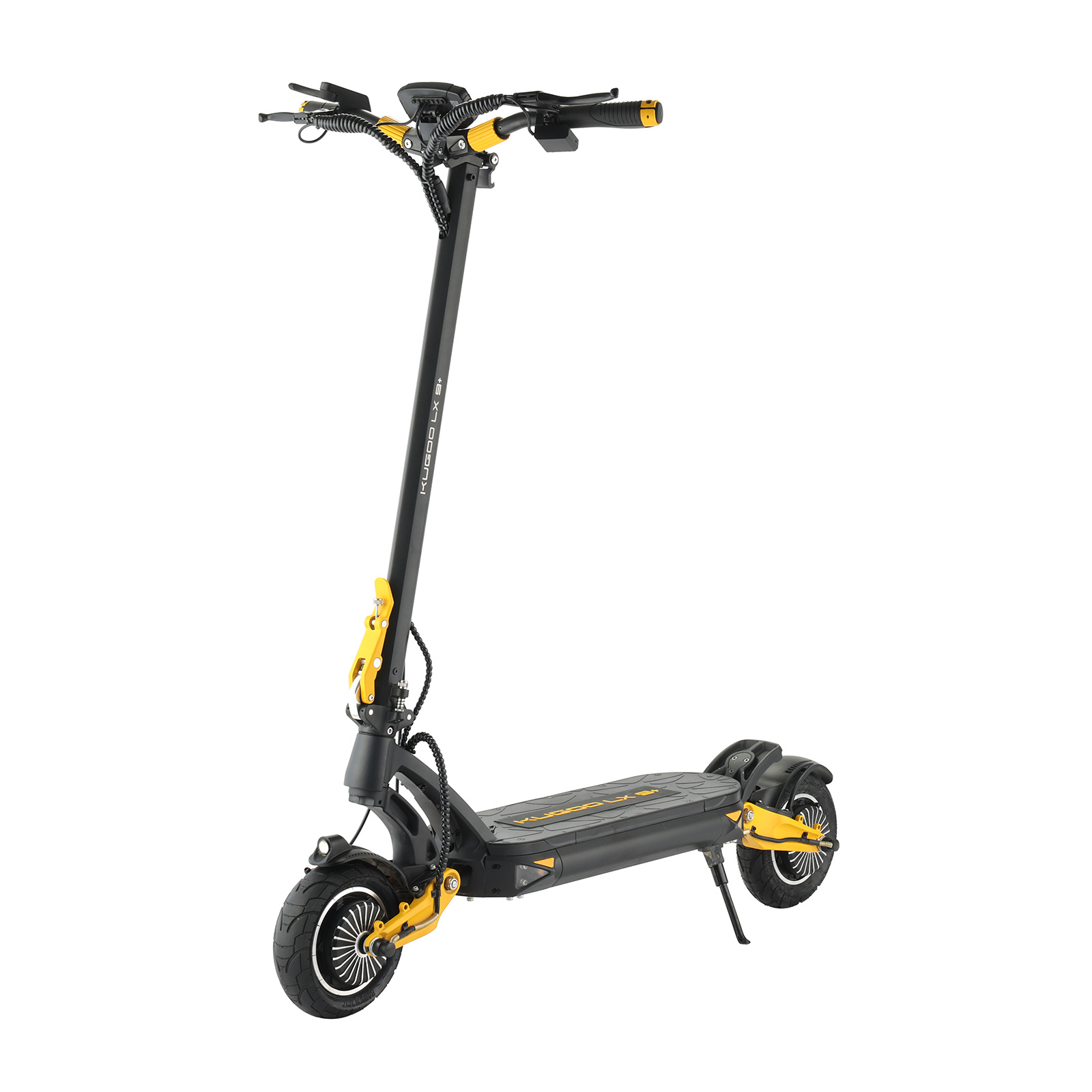
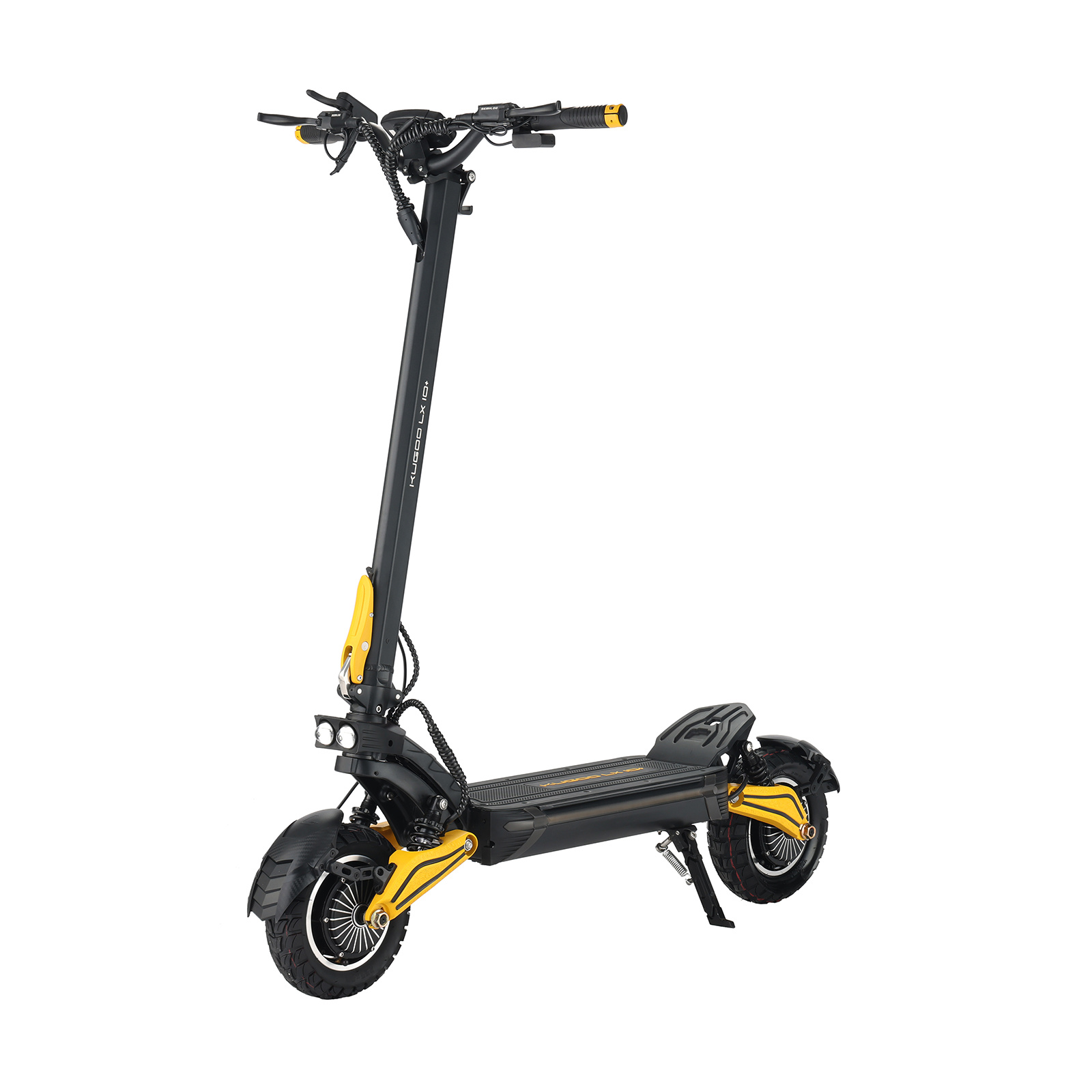
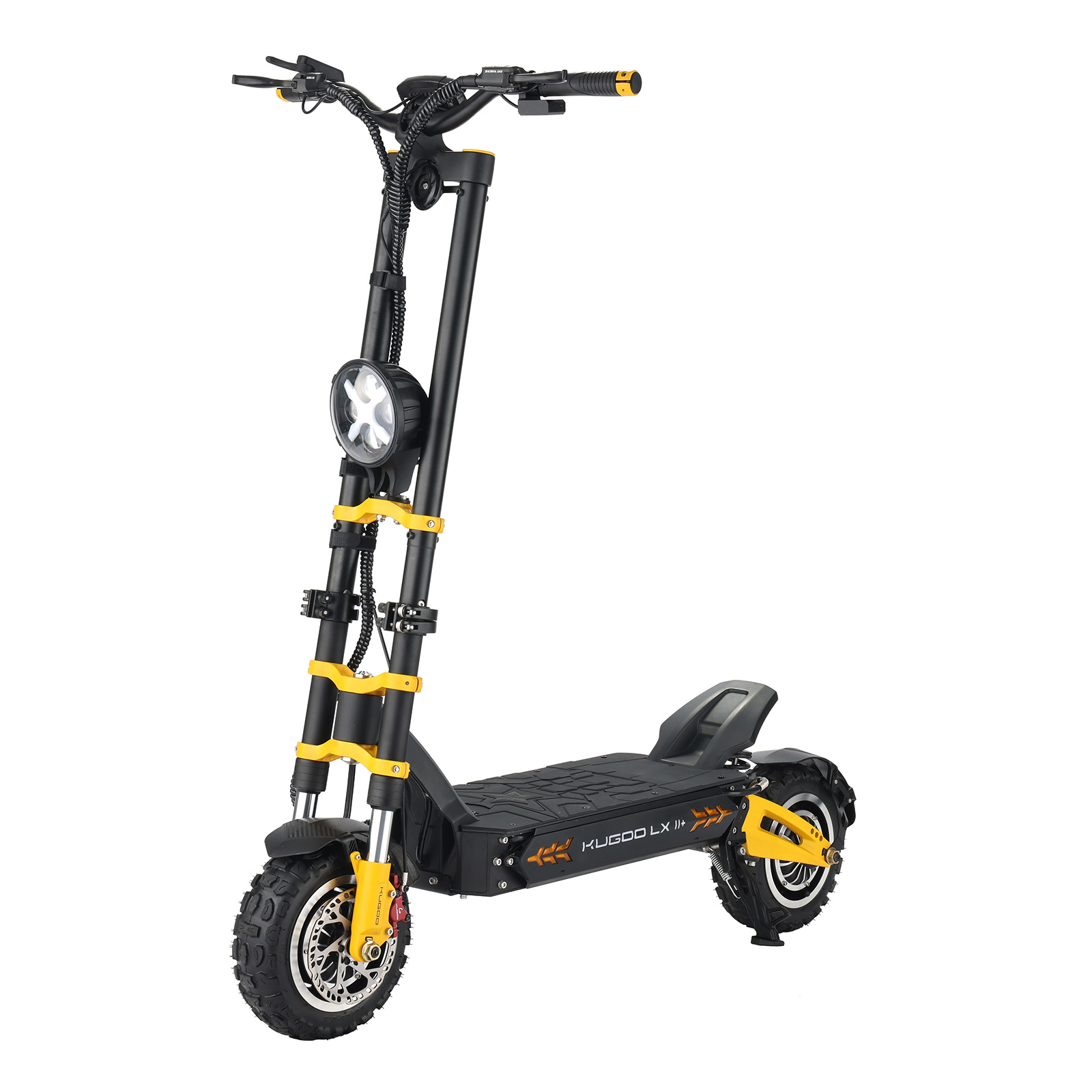
Electric scooter is a battery-powered, eco-friendly vehicle designed for convenient and efficient urban commuting.
Electric scooters have emerged as one of the most popular and practical solutions for urban transportation in recent years. With increasing traffic congestion, rising fuel costs, and growing environmental concerns, electric scooters offer a convenient, cost-effective, and eco-friendly alternative to traditional vehicles. Designed to provide both portability and efficiency, they are particularly well-suited for short-distance travel, last-mile commuting, and navigating crowded city streets.
Electric scooters are powered by rechargeable lithium-ion batteries, which provide sufficient range for daily commuting needs. Depending on the model and battery capacity, users can typically travel between 15 to 50 miles on a single charge. Charging is simple and convenient, requiring only a standard electrical outlet, making electric scooters highly accessible for urban residents and commuters. Many scooters also feature fast-charging technology, allowing for quicker turnaround times and greater flexibility in daily use.
The design of electric scooters focuses on user convenience and safety. Most scooters are foldable, lightweight, and compact, making them easy to carry, store, or transport in cars and public transport. Ergonomically designed handlebars, anti-slip decks, and shock-absorbing wheels ensure comfortable rides even on uneven surfaces. Advanced models may include features such as digital displays, cruise control, LED headlights, brake lights, and smartphone connectivity for navigation and monitoring battery levels. These technological enhancements improve user experience and enhance overall safety on busy urban roads.
Electric scooters are not only environmentally friendly but also cost-efficient. Compared to gasoline-powered vehicles, they significantly reduce emissions, noise pollution, and energy consumption. Operational costs are minimal, as electricity is cheaper than fuel, and maintenance is generally straightforward, with fewer moving parts compared to motorcycles or cars. This makes electric scooters an attractive option for daily commuters, students, and city dwellers seeking an affordable and sustainable transportation solution.
The popularity of electric scooters has also given rise to shared scooter programs in many cities worldwide. These services allow users to rent scooters for short trips via smartphone apps, promoting flexible and on-demand mobility. Shared scooters help reduce traffic congestion, lower parking demand, and encourage the use of sustainable transportation. Urban planners increasingly view electric scooters as a critical component of smart city initiatives, integrating them with public transport networks to create seamless, multimodal mobility solutions.
Safety is a key consideration for electric scooter riders. Helmets, protective gear, and adherence to traffic regulations are essential to prevent accidents. Manufacturers continuously improve scooter stability, braking systems, and lighting to enhance rider safety. Cities are also adapting infrastructure by building bike lanes, speed limits, and parking zones specifically for electric scooters, creating a safer and more organized environment for riders and pedestrians alike.
In addition to commuting, electric scooters are increasingly used for recreation and leisure. Riders enjoy the freedom and flexibility of navigating parks, waterfronts, and urban trails, making scooters a fun and engaging mode of personal transport. With their quiet operation, they offer an enjoyable alternative to noisy vehicles, allowing users to experience the city in a more relaxed and eco-conscious way.
Looking ahead, advancements in battery technology, motor efficiency, and smart connectivity will further improve the performance, range, and convenience of electric scooters. Integration with mobile apps, GPS navigation, and IoT features will allow riders to track routes, battery status, and maintenance needs, enhancing the overall user experience. Manufacturers are also exploring new materials and lightweight designs to make scooters more durable, portable, and aesthetically appealing.
In conclusion, electric scooters represent a revolutionary shift in urban mobility. They combine sustainability, affordability, and convenience, making them an ideal solution for short-distance commuting, recreational riding, and last-mile transportation. As cities continue to grow and environmental awareness increases, electric scooters are poised to play a central role in shaping the future of urban transportation. By embracing this technology, individuals can enjoy efficient, eco-friendly, and enjoyable travel, while contributing to a greener and smarter urban environment.
Related News
2025-12-23

Room B2404, Block ABCD, Building 3, Phase I, Tianan Yungu Industrial Park, Gangtou Community, Bantian Street, Longgang District, Shenzhen