
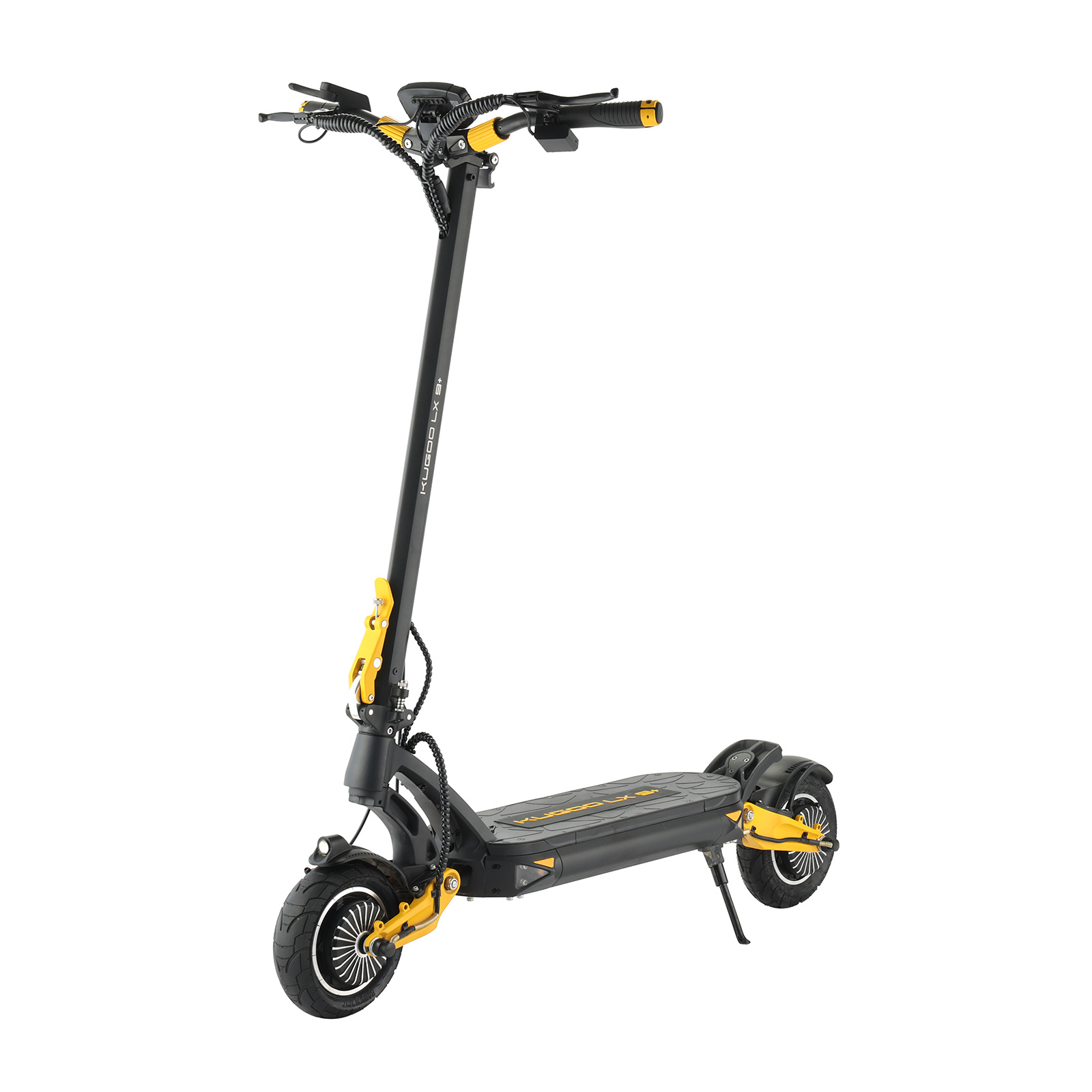
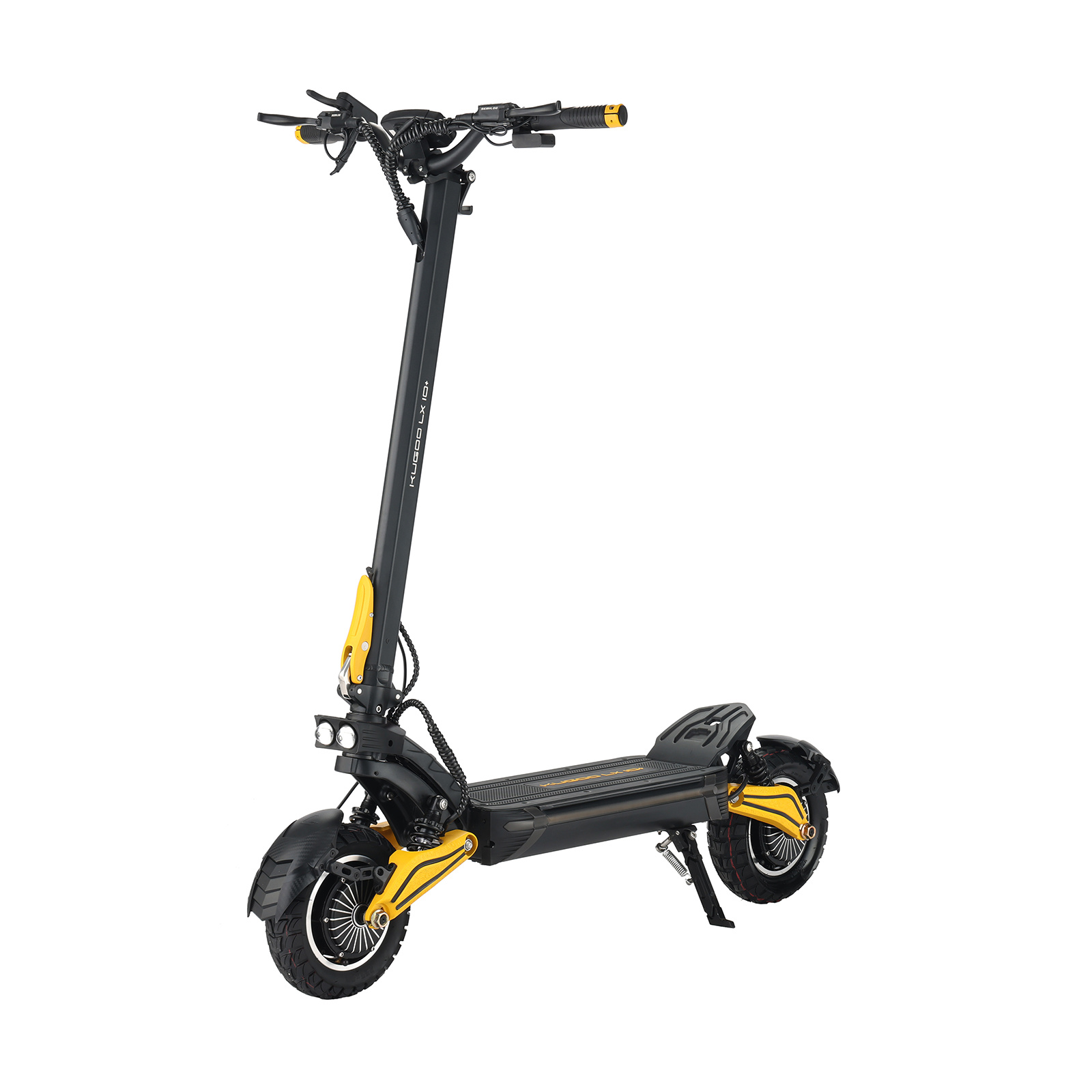
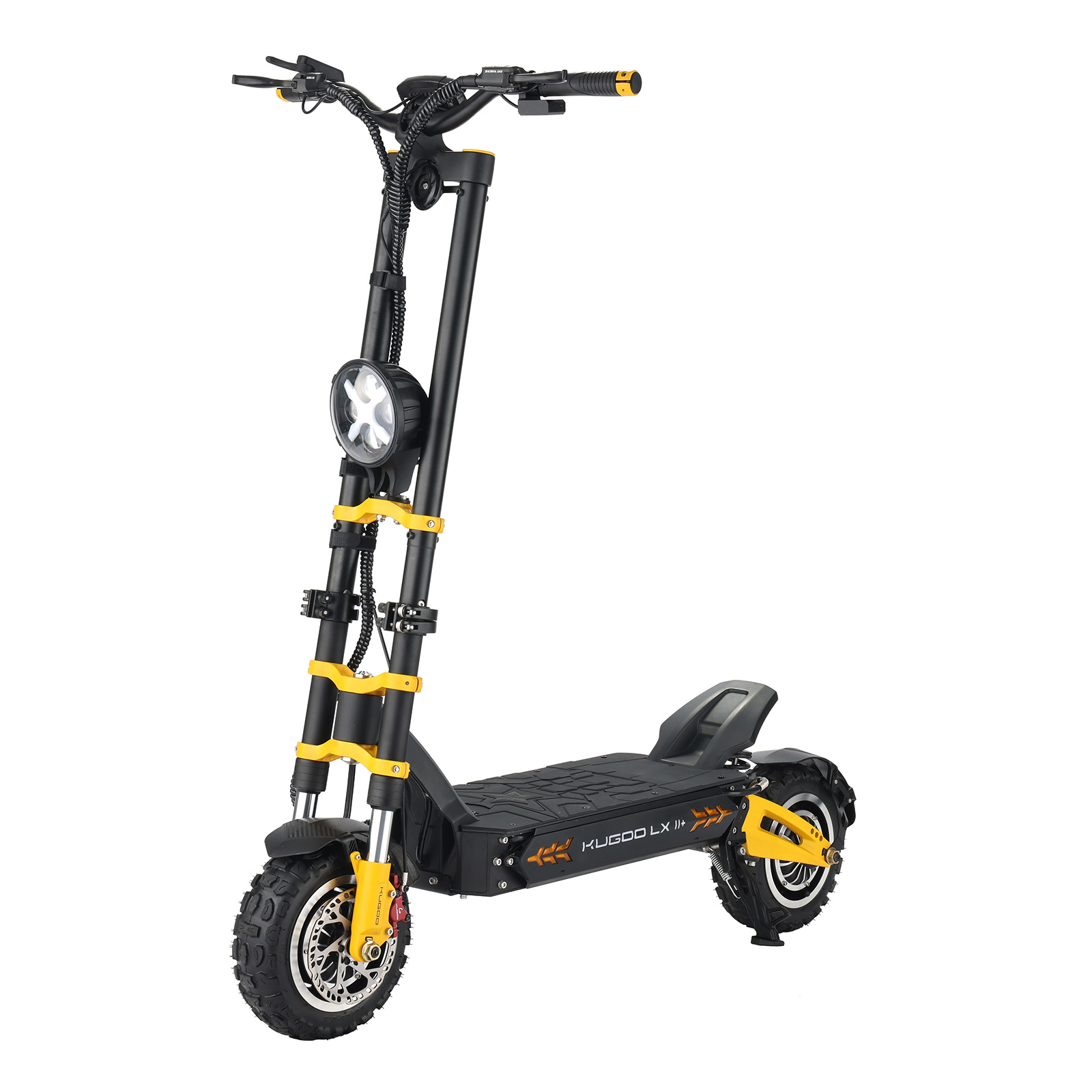
The Future of Transportation: Understanding Electric Motorcycles
Summary:
Electric motorcycles are becoming increasingly popular as urban transportation solutions, driven by the need for sustainable commuting options and advancements in battery technology. Unlike traditional gasoline-powered motorcycles, electric motorcycles utilize electric motors powered by rechargeable batteries, offering numerous advantages that are particularly appealing in today’s environmentally
Electric motorcycles are becoming increasingly popular as urban transportation solutions, driven by the need for sustainable commuting options and advancements in battery technology. Unlike traditional gasoline-powered motorcycles, electric motorcycles utilize electric motors powered by rechargeable batteries, offering numerous advantages that are particularly appealing in today’s environmentally conscious society.
One of the primary benefits of electric motorcycles is their reduced environmental impact. With zero tailpipe emissions, they contribute to improved air quality in urban areas. Additionally, the noise pollution associated with conventional motorcycles is significantly lower, making electric models an attractive choice for city dwellers who seek a quieter ride. This eco-friendliness directly aligns with the global push towards greener transportation modes.
From a technological perspective, electric motorcycles are equipped with advanced components that enhance performance and efficiency. Many models feature regenerative braking systems that capture energy during braking, improving overall energy efficiency. Furthermore, innovations in battery technology, such as lithium-ion batteries, have led to longer ranges and shorter charging times. This makes electric motorcycles a viable option for both short commutes and longer journeys, a common concern among potential users.
For professionals considering the switch to electric motorcycles, understanding the charging infrastructure is crucial. Most electric motorcycles can be charged at home using standard outlets, while many urban areas are increasingly equipped with public charging stations. This expanding network alleviates concerns regarding range anxiety, allowing riders to confidently plan their routes.
When it comes to maintenance, electric motorcycles offer a significant advantage over traditional models. They have fewer moving parts, which translates to lower maintenance costs and fewer repairs. Regular checks typically involve monitoring the battery health and ensuring that the electrical systems are in optimal condition. This simplicity not only reduces the time spent on upkeep but also enhances the overall riding experience.
In conclusion, the rise of electric motorcycles represents a significant shift in the automotive landscape, particularly within the realm of urban transportation. For professionals exploring sustainable commuting options, electric motorcycles provide an efficient, eco-friendly solution that combines cutting-edge technology with practical benefits. As the industry continues to innovate and expand, these vehicles are poised to play a vital role in the future of mobility. By staying informed about the latest developments in electric motorcycles, professionals can make educated decisions that contribute to a more sustainable future.
One of the primary benefits of electric motorcycles is their reduced environmental impact. With zero tailpipe emissions, they contribute to improved air quality in urban areas. Additionally, the noise pollution associated with conventional motorcycles is significantly lower, making electric models an attractive choice for city dwellers who seek a quieter ride. This eco-friendliness directly aligns with the global push towards greener transportation modes.
From a technological perspective, electric motorcycles are equipped with advanced components that enhance performance and efficiency. Many models feature regenerative braking systems that capture energy during braking, improving overall energy efficiency. Furthermore, innovations in battery technology, such as lithium-ion batteries, have led to longer ranges and shorter charging times. This makes electric motorcycles a viable option for both short commutes and longer journeys, a common concern among potential users.
For professionals considering the switch to electric motorcycles, understanding the charging infrastructure is crucial. Most electric motorcycles can be charged at home using standard outlets, while many urban areas are increasingly equipped with public charging stations. This expanding network alleviates concerns regarding range anxiety, allowing riders to confidently plan their routes.
When it comes to maintenance, electric motorcycles offer a significant advantage over traditional models. They have fewer moving parts, which translates to lower maintenance costs and fewer repairs. Regular checks typically involve monitoring the battery health and ensuring that the electrical systems are in optimal condition. This simplicity not only reduces the time spent on upkeep but also enhances the overall riding experience.
In conclusion, the rise of electric motorcycles represents a significant shift in the automotive landscape, particularly within the realm of urban transportation. For professionals exploring sustainable commuting options, electric motorcycles provide an efficient, eco-friendly solution that combines cutting-edge technology with practical benefits. As the industry continues to innovate and expand, these vehicles are poised to play a vital role in the future of mobility. By staying informed about the latest developments in electric motorcycles, professionals can make educated decisions that contribute to a more sustainable future.
Related News

Room B2404, Block ABCD, Building 3, Phase I, Tianan Yungu Industrial Park, Gangtou Community, Bantian Street, Longgang District, Shenzhen