
Electric Scooters and Public Transport: A Perfect Match?
Summary:
Electric Scooters and Public Transport: A Perfect Match? Introduction to Urban Mobility Solutions In an era characterized by rapid urbanization, the need for efficient and sustainable transportation solutions has never been greater. Electric scooters have emerged as a popular mode of transport, particularly in densely populated urban areas. Their ease of use, eco-friendliness, and affordability ma
Electric Scooters and Public Transport: A Perfect Match?
Introduction to Urban Mobility Solutions
In an era characterized by rapid urbanization, the need for efficient and sustainable transportation solutions has never been greater. Electric scooters have emerged as a popular mode of transport, particularly in densely populated urban areas. Their ease of use, eco-friendliness, and affordability make them an appealing option for short-distance travel. But how do they fit into the broader landscape of public transport? This article delves into the relationship between electric scooters and public transport, exploring how they can work together to create a more efficient urban mobility ecosystem.
Understanding Electric Scooters
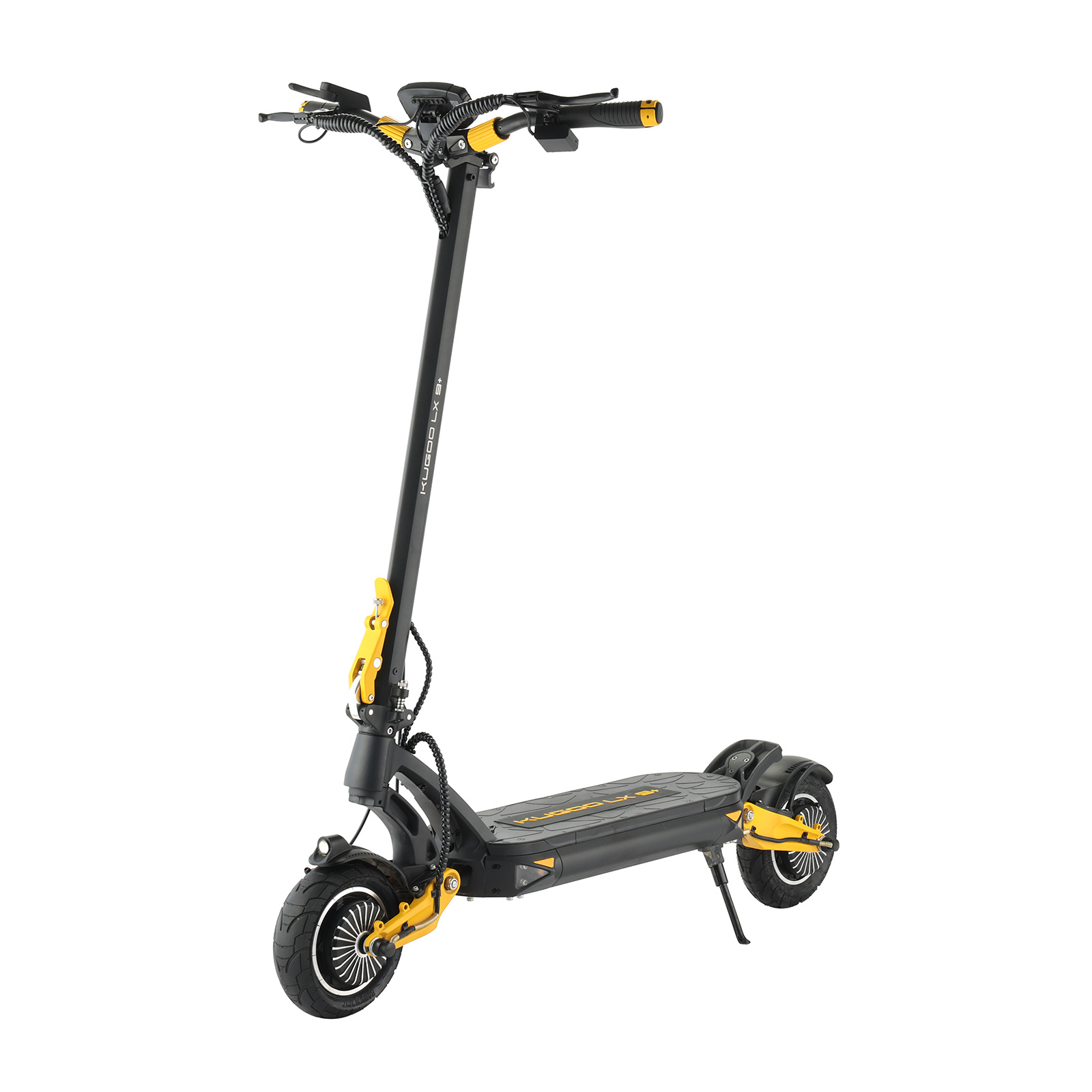
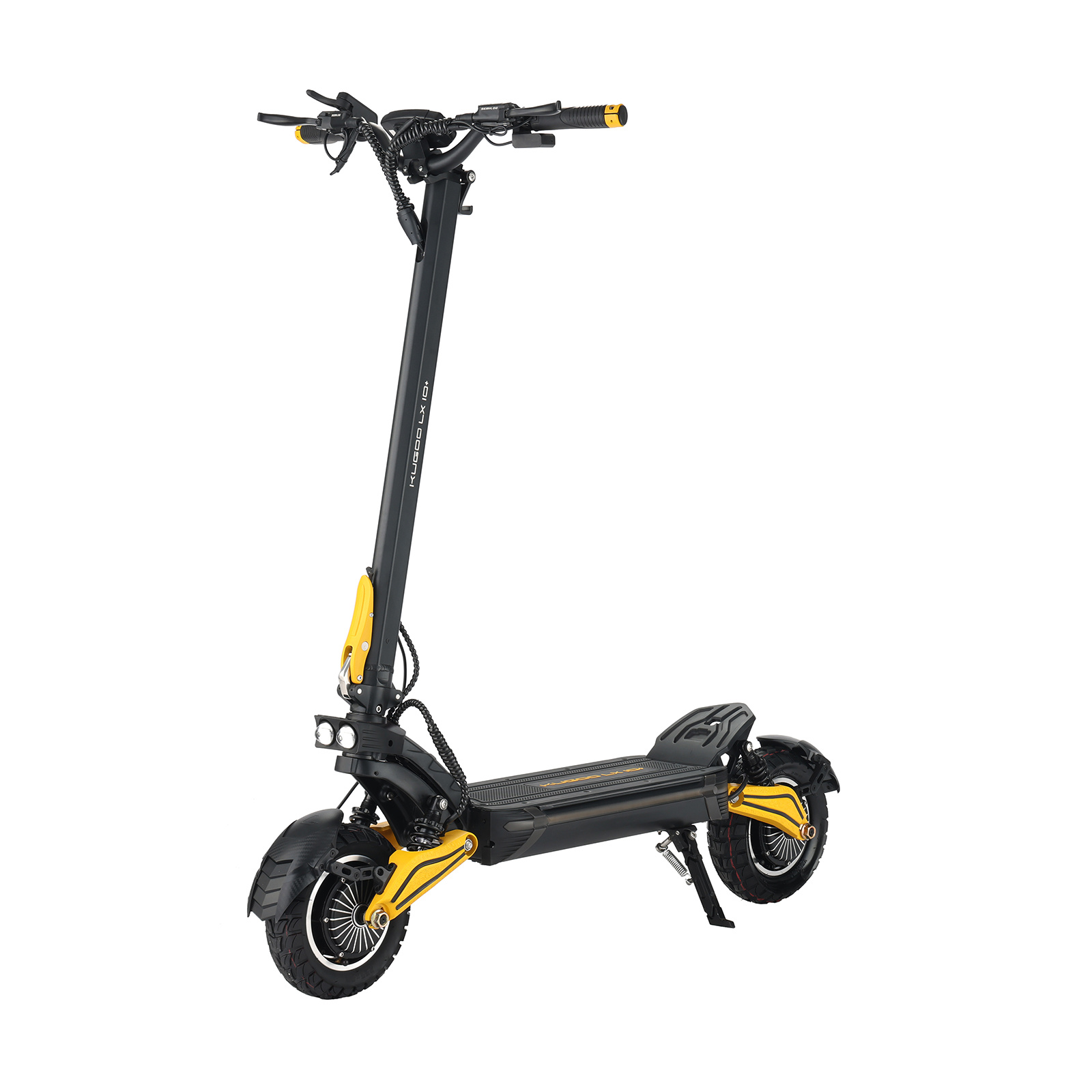
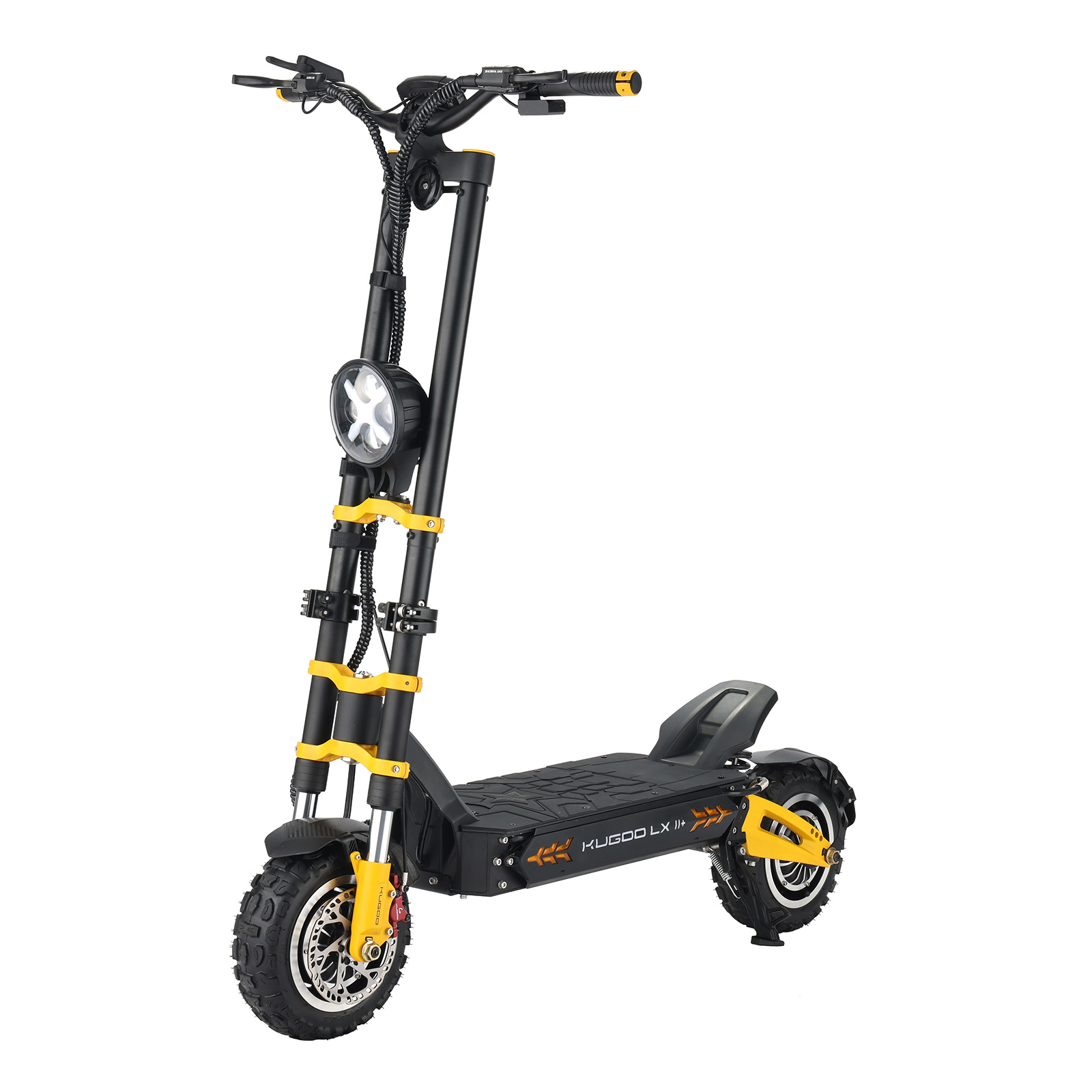
Electric scooters, often referred to as e-scooters, are battery-powered two-wheeled vehicles designed for individual use. They are typically lightweight, portable, and equipped with intuitive controls. Here are some key features of electric scooters:
1. Design and Functionality
Electric scooters come in various designs, from foldable models that can be easily carried onto public transport to sturdier versions suitable for longer commutes. Most e-scooters have a maximum speed of around 15-20 mph and can cover distances of up to 20-30 miles on a single charge, making them ideal for short, urban trips.
2. Environmental Impact
E-scooters are an eco-friendly alternative to traditional gasoline-powered vehicles. Their electric motors produce zero emissions, contributing to reduced air pollution in urban settings. By complementing public transport, they can further decrease the carbon footprint of city commutes.
3. Cost-Effectiveness
The affordability of electric scooters makes them accessible to a wide range of users. With various pricing models, including rental services and ownership options, e-scooters provide flexible transportation solutions tailored to individual budgets.
The Role of Public Transport in Urban Mobility
Public transport systems, including buses, subways, and trams, play a crucial role in moving large numbers of people efficiently. However, they are often faced with challenges such as overcrowding, limited routes, and delays. Integrating electric scooters into public transport can address some of these issues.
1. Last-Mile Connectivity
One of the most significant challenges in public transport is the "last-mile" problem. This term refers to the difficulty commuters face in traveling from public transport hubs to their final destinations. Electric scooters provide an efficient solution to this challenge, allowing users to easily cover the last stretch of their journey.
2. Reduced Congestion
By encouraging commuters to use electric scooters for short trips instead of personal vehicles, cities can significantly reduce traffic congestion. This shift can lead to shorter travel times and a more pleasant commuting experience for everyone.
3. Enhanced Accessibility
Integrating electric scooters with public transport can improve accessibility for individuals who may have difficulty walking long distances. E-scooters can bridge the gap between public transport stops and destinations, making urban mobility more inclusive.
Benefits of Integrating Electric Scooters with Public Transport
The synergy between electric scooters and public transport offers a multitude of benefits, enhancing the overall commuting experience. Here are some key advantages:
1. Improved Efficiency
By allowing passengers to transition seamlessly from public transport to electric scooters, cities can create a more efficient commuting experience. Riders can save time and reduce the stress associated with waiting for buses or trains.
2. Cost Savings for Commuters
Using electric scooters in conjunction with public transport can lead to significant cost savings for commuters. With shared e-scooter services often being more affordable than traditional taxi or rideshare options, users can enjoy economical travel solutions.
3. Environmental Benefits
A combined approach to public transport and electric scooters promotes sustainable transport practices. This collaboration can lead to decreased reliance on fossil fuels and a significant reduction in greenhouse gas emissions.
Challenges of Integration
Despite the numerous benefits, integrating electric scooters and public transport is not without its challenges. Understanding these obstacles is crucial for developing effective solutions.
1. Infrastructure Development
For electric scooters to be effectively integrated with public transport, cities must invest in infrastructure improvements. This includes dedicated scooter lanes, charging stations, and secure parking spots at public transport hubs.
2. Regulatory Hurdles
Cities must navigate a complex web of regulations regarding the use of electric scooters. Establishing clear guidelines for scooter usage, parking, and safety will be essential to ensuring a smooth integration process.
3. Public Awareness and Education
To maximize the benefits of integrating electric scooters with public transport, it is vital to educate the public about their use. Campaigns promoting the advantages of e-scooters and providing safety guidelines can encourage adoption and responsible usage.
Case Studies: Cities Leading the Way
Several cities around the world have successfully integrated electric scooters into their public transport systems. By examining these case studies, we can glean valuable insights into best practices and strategies.
1. Amsterdam, Netherlands
Amsterdam is known for its extensive cycling infrastructure, and electric scooters have found a natural place alongside bicycles in the city. The integration of e-scooters with public transport has resulted in increased mobility and reduced congestion.
2. San Francisco, USA
San Francisco has embraced electric scooters as part of its public transport strategy. The city has implemented designated scooter parking zones near transit stops, enhancing last-mile connectivity and promoting shared mobility.
3. Singapore
Singapore has made significant strides in integrating electric scooters with its public transport system. With a focus on sustainability, the city-state has invested in infrastructure that supports both e-scooters and public transport, resulting in a cleaner and more efficient urban environment.
The Future of Electric Scooters and Public Transport
As cities continue to evolve, the future of electric scooters and public transport looks promising. Several trends are emerging that could shape the landscape of urban mobility.
1. Technological Innovations
Advancements in technology, such as improved battery life and smart connectivity, will enhance the effectiveness of electric scooters and their integration with public transport. Features like GPS tracking and real-time data sharing can create a more seamless user experience.
2. Expansion of Shared Mobility Services
The growth of shared mobility services will likely lead to increased adoption of electric scooters. By providing flexible options for commuters, cities can foster a shift towards more sustainable transport practices.
3. Legislative Support
As the benefits of electric scooters become increasingly evident, we can expect more supportive legislation from local governments. Policies that facilitate integration and promote sustainability will play a crucial role in shaping the future of urban mobility.
FAQs About Electric Scooters and Public Transport
1. Are electric scooters safe to use in urban environments?
Yes, electric scooters can be safe when proper safety guidelines are followed, including wearing helmets and obeying traffic regulations. Cities are also investing in infrastructure to improve safety for all road users.
2. How do electric scooters help reduce traffic congestion?
By providing an alternative to personal vehicles for short trips, electric scooters can significantly reduce the number of cars on the road, alleviating congestion in urban areas.
3. What regulations exist for electric scooters in public transport systems?
Regulations vary by city, but common rules may include designated parking areas, speed limits, and requirements for licensing or insurance. It's essential for users to familiarize themselves with local laws.
4. Can electric scooters be charged at public transport stations?
Many cities are installing charging stations for electric scooters at public transport hubs, making it convenient for users to recharge their devices while using public transport.
5. What is the environmental impact of using electric scooters?
Electric scooters produce zero emissions during operation, contributing to cleaner air in urban environments. When used alongside public transport, they can significantly reduce the overall carbon footprint of commuting.
Conclusion
The integration of electric scooters into public transport systems presents a promising solution for enhancing urban mobility. By addressing challenges such as the last-mile problem and reducing congestion, this dynamic pairing can lead to a more efficient, accessible, and sustainable transportation landscape. As cities continue to embrace innovative solutions, the future of electric scooters and public transport looks bright, paving the way for a greener and more connected urban environment.
Related News

Room B2404, Block ABCD, Building 3, Phase I, Tianan Yungu Industrial Park, Gangtou Community, Bantian Street, Longgang District, Shenzhen