

Understanding Electric Bicycles: The Future of Urban Mobility
Summary:
Electric bicycles are an innovative fusion of traditional cycling and modern technology, incorporating an electric motor to assist with pedaling. This assistance can vary from minimal support to substantial power, allowing riders to tackle hills and long distances with ease. E-bikes typically feature a rechargeable battery that powers the motor, providing a sustainable alternative to gas-powered v
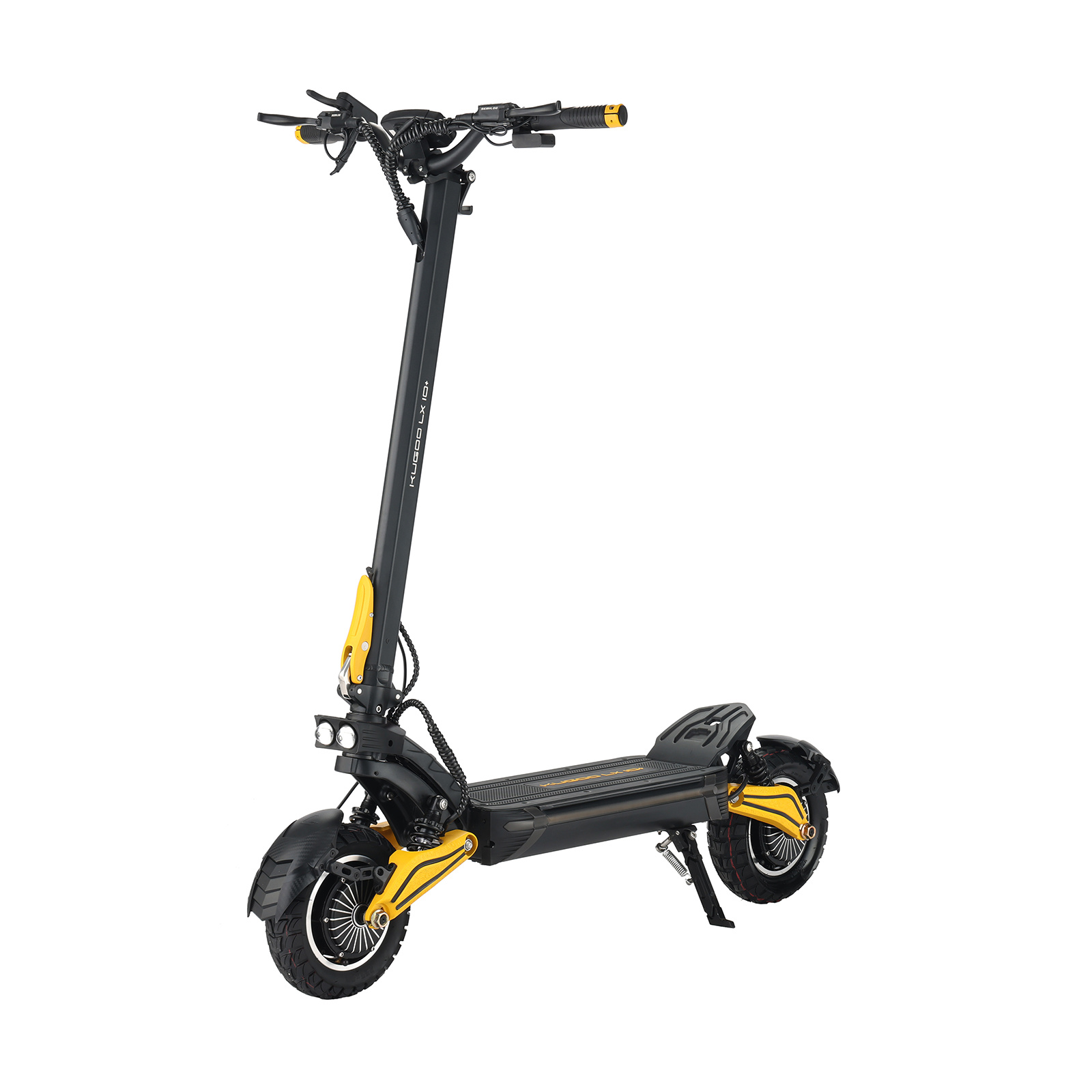
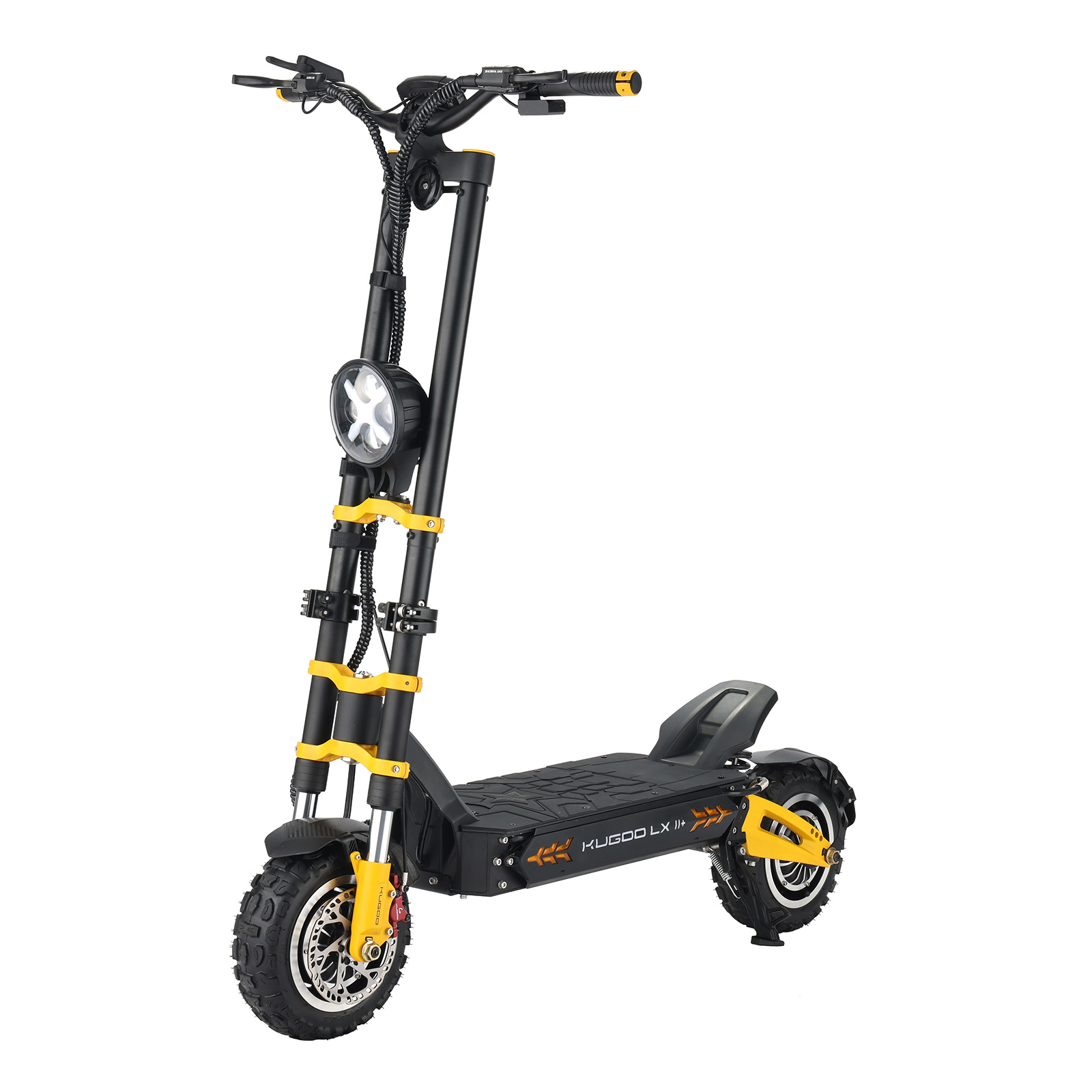
Electric bicycles are an innovative fusion of traditional cycling and modern technology, incorporating an electric motor to assist with pedaling. This assistance can vary from minimal support to substantial power, allowing riders to tackle hills and long distances with ease. E-bikes typically feature a rechargeable battery that powers the motor, providing a sustainable alternative to gas-powered vehicles.
One of the primary advantages of electric bicycles is their environmental impact. With growing concerns about climate change and urban pollution, e-bikes present a greener mode of transportation. By reducing reliance on fossil fuels, these bicycles help decrease air pollution and carbon emissions. Furthermore, e-bikes are quieter than their gas counterparts, contributing to a more peaceful urban environment.
Another significant benefit of electric bicycles is their cost-effectiveness. While the initial investment may be higher than that of a traditional bike, the ongoing expenses tend to be lower. E-bikes are cheaper to maintain than cars and don’t require costly fuel; the electricity used to charge their batteries is generally less expensive. This makes e-bikes an attractive option for commuters looking to save money in the long run.
Electric bicycles also cater to a diverse range of riders. Whether you are an experienced cyclist looking for a way to extend your rides or a casual commuter wanting an easier way to navigate through traffic, e-bikes can accommodate various fitness levels and preferences. They enable users to arrive at their destinations without excessive sweat, making them an appealing choice for individuals who may be hesitant to cycle due to physical exertion concerns.
Moreover, e-bikes can help alleviate some of the congestion faced by urban areas. As more people opt for electric bicycles, the number of cars on the road could decrease, leading to less traffic and reduced travel times. This shift towards e-bikes promotes not only personal health through increased physical activity but also collective health benefits for communities.
In conclusion, electric bicycles are more than just a trend; they represent a significant shift in how we approach urban mobility. By combining convenience, environmental sustainability, and cost savings, e-bikes are paving the way for a cleaner, more efficient future in transportation. As cities continue to grow and evolve, the adoption of electric bicycles could play a critical role in shaping a more sustainable world. Embracing this mode of transport not only benefits individual riders but also contributes to a healthier planet.
One of the primary advantages of electric bicycles is their environmental impact. With growing concerns about climate change and urban pollution, e-bikes present a greener mode of transportation. By reducing reliance on fossil fuels, these bicycles help decrease air pollution and carbon emissions. Furthermore, e-bikes are quieter than their gas counterparts, contributing to a more peaceful urban environment.
Another significant benefit of electric bicycles is their cost-effectiveness. While the initial investment may be higher than that of a traditional bike, the ongoing expenses tend to be lower. E-bikes are cheaper to maintain than cars and don’t require costly fuel; the electricity used to charge their batteries is generally less expensive. This makes e-bikes an attractive option for commuters looking to save money in the long run.
Electric bicycles also cater to a diverse range of riders. Whether you are an experienced cyclist looking for a way to extend your rides or a casual commuter wanting an easier way to navigate through traffic, e-bikes can accommodate various fitness levels and preferences. They enable users to arrive at their destinations without excessive sweat, making them an appealing choice for individuals who may be hesitant to cycle due to physical exertion concerns.
Moreover, e-bikes can help alleviate some of the congestion faced by urban areas. As more people opt for electric bicycles, the number of cars on the road could decrease, leading to less traffic and reduced travel times. This shift towards e-bikes promotes not only personal health through increased physical activity but also collective health benefits for communities.
In conclusion, electric bicycles are more than just a trend; they represent a significant shift in how we approach urban mobility. By combining convenience, environmental sustainability, and cost savings, e-bikes are paving the way for a cleaner, more efficient future in transportation. As cities continue to grow and evolve, the adoption of electric bicycles could play a critical role in shaping a more sustainable world. Embracing this mode of transport not only benefits individual riders but also contributes to a healthier planet.
Related News

Room B2404, Block ABCD, Building 3, Phase I, Tianan Yungu Industrial Park, Gangtou Community, Bantian Street, Longgang District, Shenzhen