
Adult Electric Scooters vs. Traditional Bicycles: Which is the Superior Choice for Urban Commuters?
Summary:
Adult Electric Scooters vs. Traditional Bicycles: Which is Better? Table of Contents Introduction to Urban Mobility Choices Pros and Cons of Adult Electric Scooters Pros and Cons of Traditional Bicycles Cost-Effectiveness of Adult Electric Scooters vs. Bicycles Environmental Impact: Scooters vs. Bikes Ease of Use: Electric Scooters and Bicycles Safety and Regulations f
Adult Electric Scooters vs. Traditional Bicycles: Which is Better?
Table of Contents
- Introduction to Urban Mobility Choices
- Pros and Cons of Adult Electric Scooters
- Pros and Cons of Traditional Bicycles
- Cost-Effectiveness of Adult Electric Scooters vs. Bicycles
- Environmental Impact: Scooters vs. Bikes
- Ease of Use: Electric Scooters and Bicycles
- Safety and Regulations for Electric Scooters and Bicycles
- Final Thoughts: Making the Right Choice for You
- FAQs on Electric Scooters and Traditional Bicycles
Introduction to Urban Mobility Choices
In today's fast-paced world, urban mobility solutions are more important than ever. Commuters are seeking efficient, cost-effective, and environmentally friendly ways to navigate city streets. Among the most popular options are adult electric scooters and traditional bicycles. This article delves into these modes of transportation, comparing their features, benefits, and drawbacks, to help you determine which is the better choice for your needs.
Pros and Cons of Adult Electric Scooters
Advantages of Electric Scooters
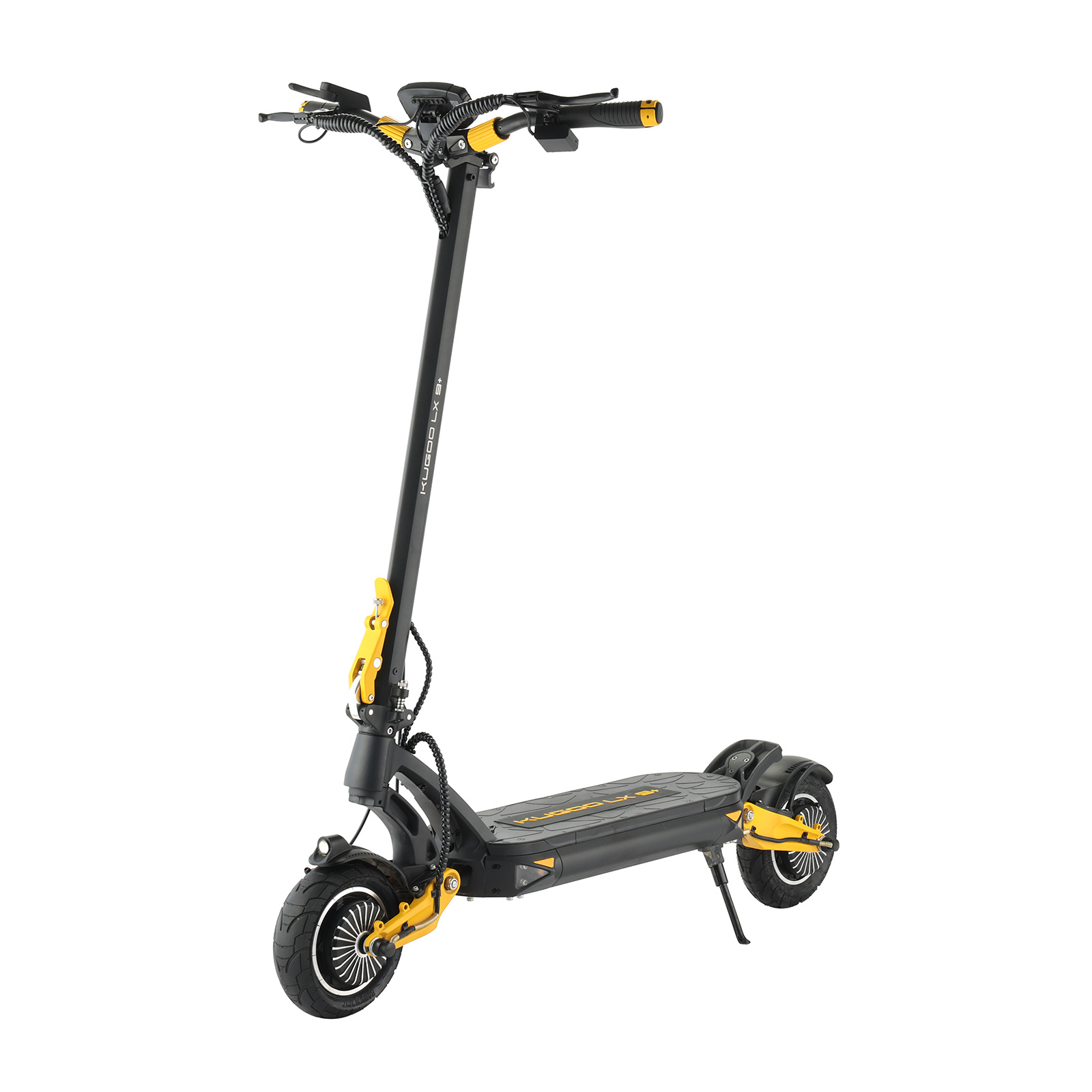
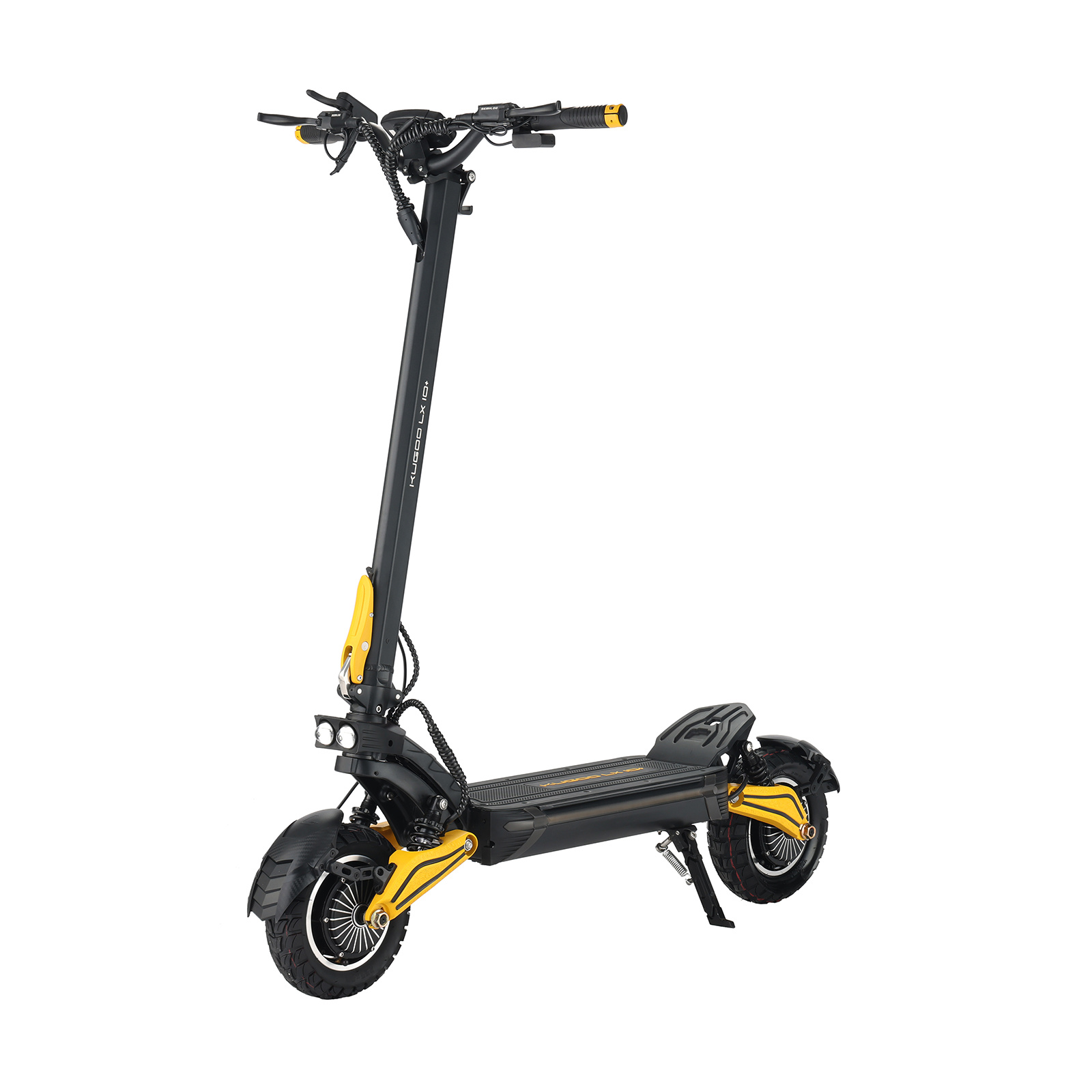
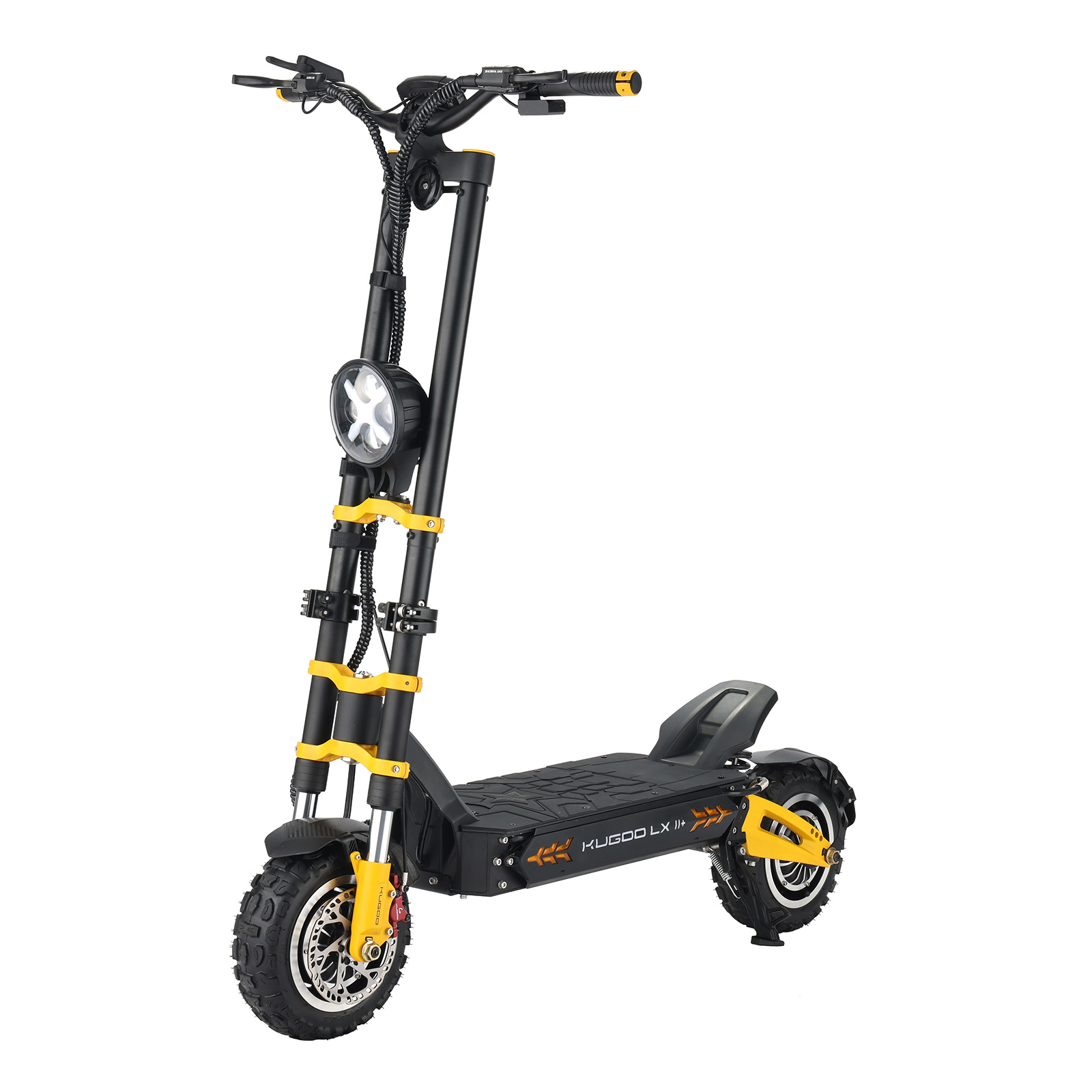
- **Convenience**: Electric scooters are user-friendly and require minimal effort to operate. With just a push of a button, riders can accelerate to speeds of up to 15-20 mph.
- **Portability**: Most electric scooters are lightweight and foldable, making them easy to carry and store. This is particularly advantageous for those who live in apartments or have limited space.
- **Time-Saving**: In congested urban environments, electric scooters can significantly reduce travel time compared to traditional bicycles or cars.
- **No Sweat Commuting**: Unlike bicycles, electric scooters allow riders to arrive at their destinations without breaking a sweat, making them an attractive option for work commutes.
Drawbacks of Electric Scooters
- **Battery Life**: The range of electric scooters depends on battery capacity and usage. Most scooters can travel between 10 to 30 miles on a single charge, potentially limiting longer journeys.
- **Cost**: While the initial cost of an electric scooter can be reasonable, the long-term costs, including battery replacement and maintenance, can add up.
- **Weather Vulnerability**: Electric scooters may not perform well in adverse weather conditions, such as rain or snow, limiting their usability year-round.
Pros and Cons of Traditional Bicycles
Advantages of Traditional Bicycles
- **Physical Exercise**: Riding a bicycle promotes cardiovascular health and overall fitness, making it a great option for those looking to maintain an active lifestyle.
- **Affordability**: Traditional bicycles are often less expensive than electric scooters, both in terms of initial purchase price and maintenance costs.
- **Sustainability**: Bicycles have a lower environmental impact than scooters, as they do not require electricity and produce no emissions during use.
- **Durability**: Bicycles tend to have a longer lifespan if maintained properly, with fewer mechanical issues compared to electric scooters.
Drawbacks of Traditional Bicycles
- **Physical Exertion**: For those who are not physically fit, bicycles may pose a challenge, particularly on hilly terrain or during longer commutes.
- **Storage and Security**: Finding a safe and secure location to store bicycles can be problematic in urban areas, leading to theft risks.
- **Less Speed**: Bicycles typically have a lower top speed compared to electric scooters, which may result in longer commute times over the same distance.
Cost-Effectiveness of Adult Electric Scooters vs. Bicycles
When evaluating cost-effectiveness, it is crucial to consider both the initial investment and ongoing expenses.
- **Initial Investment**: Traditional bicycles can range from $300 to $1,500, depending on the brand and features. In contrast, electric scooters typically start around $300 and can exceed $1,500 for high-performance models.
- **Operating Costs**: Bicycles incur minimal ongoing costs, primarily related to maintenance (e.g., tire replacements, brake repairs). Electric scooters require charging, with electricity costs being generally low, but the battery might need replacement after a couple of years, costing up to $200.
- **Insurance and Registration**: In some regions, electric scooters may require insurance and registration fees, adding to the overall cost of ownership.
Ultimately, while electric scooters may have a higher upfront cost, their convenience and time-saving potential may justify the expense for some commuters.
Environmental Impact: Scooters vs. Bikes
As cities strive to reduce their carbon footprints, the environmental impact of transportation choices is increasingly important.
- **Electric Scooters**: While electric scooters produce no emissions during use, the environmental cost of electricity generation and battery production can be significant. It's essential to consider the total lifecycle of the scooter, including energy sources and battery disposal.
- **Traditional Bicycles**: Bicycles are one of the most sustainable transportation options available. They produce no emissions, require no fuel, and have minimal environmental impact during their lifecycle.
For environmentally conscious consumers, traditional bicycles may be the preferred option, but the emissions of electric scooters may be mitigated if the electricity used is sourced from renewable energy.
Ease of Use: Electric Scooters and Bicycles
When it comes to ease of use, both electric scooters and bicycles have their unique advantages.
Electric scooters are designed for quick, effortless rides. With the push of a button, riders can navigate through traffic without the physical exertion required by bicycles. This convenience can be particularly appealing during rush hour or when navigating hilly areas.
On the other hand, bicycles provide more control and engagement with the environment. Riders can easily adjust their speed and path based on traffic and personal preference. Additionally, many cyclists enjoy the sensation of pedaling and the physical connection to their surroundings.
Safety and Regulations for Electric Scooters and Bicycles
Safety is a crucial aspect of choosing between electric scooters and bicycles. Both modes of transportation come with their own set of risks and regulations.
- **Electric Scooters**: Many cities have implemented regulations for electric scooters, including speed limits, helmet requirements, and designated riding areas. Riders should familiarize themselves with local laws to ensure compliance and safety.
- **Traditional Bicycles**: Bicycling also has its safety regulations, including the requirement to wear helmets in certain areas and obey traffic signals. Additionally, cyclists should be aware of their surroundings and use proper hand signals while riding.
Both electric scooters and bicycles can be safe modes of transportation when ridden responsibly. Investing in safety gear, such as helmets and lights, is essential regardless of the chosen vehicle.
Final Thoughts: Making the Right Choice for You
Ultimately, the decision between adult electric scooters and traditional bicycles depends on individual preferences, lifestyle, and commuting needs.
If you prioritize convenience, speed, and minimal physical exertion, electric scooters may be the ideal solution for your urban commuting requirements. However, if you seek affordability, sustainability, and physical fitness, a traditional bicycle might be a better fit.
Consider your daily routine, budget, and the environmental impact of your choice. Whichever option you choose, both electric scooters and bicycles offer excellent ways to navigate urban landscapes while promoting a healthier lifestyle.
FAQs on Electric Scooters and Traditional Bicycles
1. Are electric scooters safe to ride?
Yes, electric scooters can be safe if ridden responsibly and in accordance with local regulations. Always wear a helmet and be aware of your surroundings.
2. How long do electric scooter batteries last?
Typically, electric scooter batteries last between 2 to 5 years, depending on usage and care.
3. Can I ride a bicycle on the sidewalk?
This varies by location. Some areas allow it, while others do not. Check local laws for regulations regarding sidewalk riding.
4. Do I need a license to ride an electric scooter?
In many cities, a driver's license is not required for riding an electric scooter, but regulations vary. Always check your local laws.
5. How much maintenance do electric scooters require?
Electric scooters require regular maintenance, including checking brakes, tires, and battery health. However, they generally require less upkeep than traditional bicycles.
In conclusion, both adult electric scooters and traditional bicycles present unique benefits and challenges. Your choice should align with your needs, lifestyle, and commuting habits. Consider the factors discussed and make an informed decision that suits your urban mobility requirements.
Related News
2026-05-08

Room B2404, Block ABCD, Building 3, Phase I, Tianan Yungu Industrial Park, Gangtou Community, Bantian Street, Longgang District, Shenzhen