
The Rise of Electric Scooters in Cities Worldwide: Revolutionizing Urban Mobility
Summary:
The Rise of Electric Scooters in Cities Worldwide Introduction: A New Era of Urban Mobility Urban mobility is undergoing a significant transformation, with electric scooters leading the charge. As cities become increasingly congested and pollution levels soar, the demand for sustainable and efficient transportation options has never been higher. Electric scooters, or e-scooters, have emerged as a
The Rise of Electric Scooters in Cities Worldwide
Introduction: A New Era of Urban Mobility
Urban mobility is undergoing a significant transformation, with electric scooters leading the charge. As cities become increasingly congested and pollution levels soar, the demand for sustainable and efficient transportation options has never been higher. Electric scooters, or e-scooters, have emerged as a popular solution, enabling commuters to navigate city streets with ease. This article delves into the rise of electric scooters worldwide, examining their benefits, challenges, and future prospects.
Understanding Electric Scooters: What Are They?
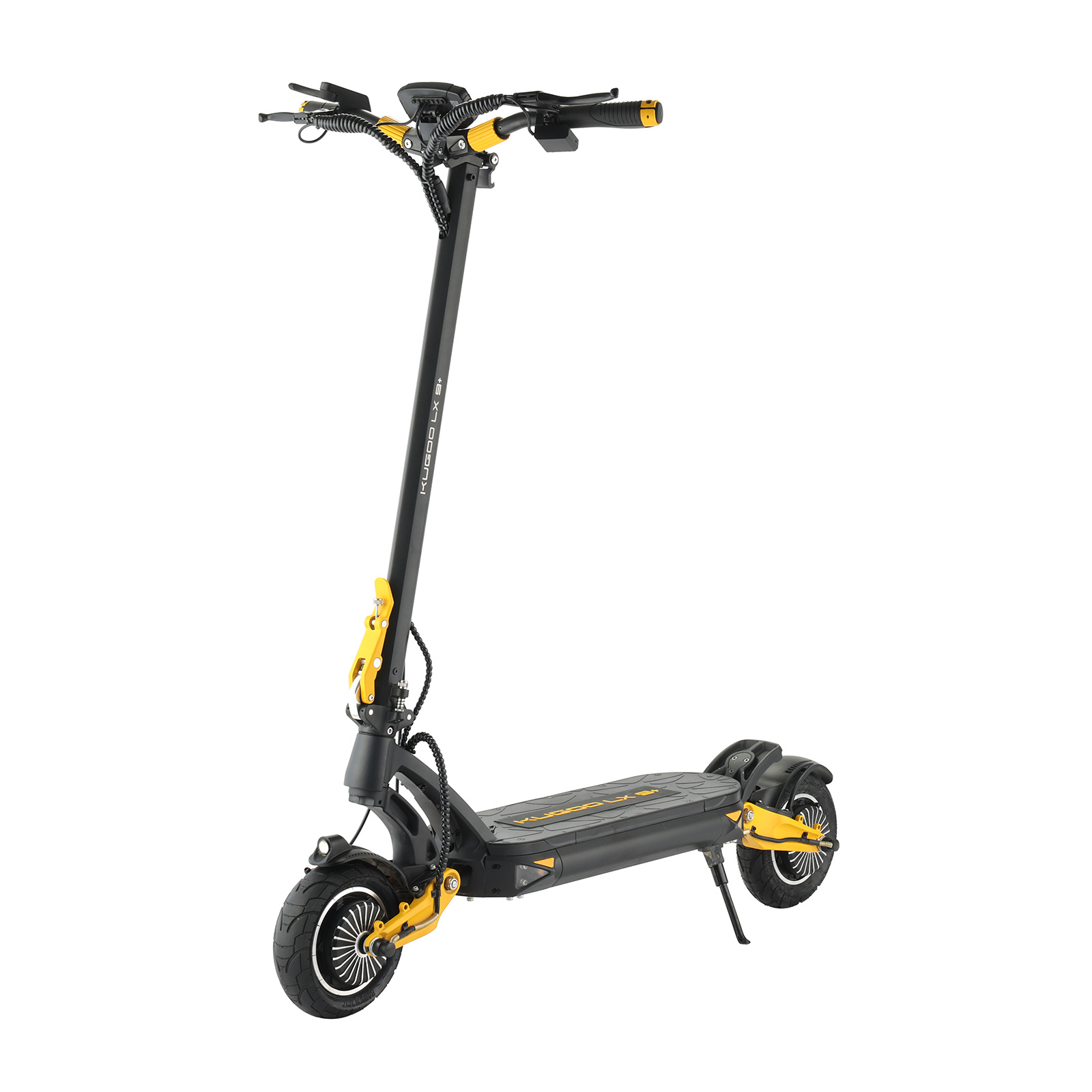
Electric scooters are compact, battery-powered vehicles designed to provide a convenient means of transportation. They are typically lightweight, have handlebars for steering, and can reach speeds of up to 15-20 miles per hour. The rise of electric scooter-sharing services has made these vehicles easily accessible, allowing users to rent them for short trips.
The Mechanics of Electric Scooters
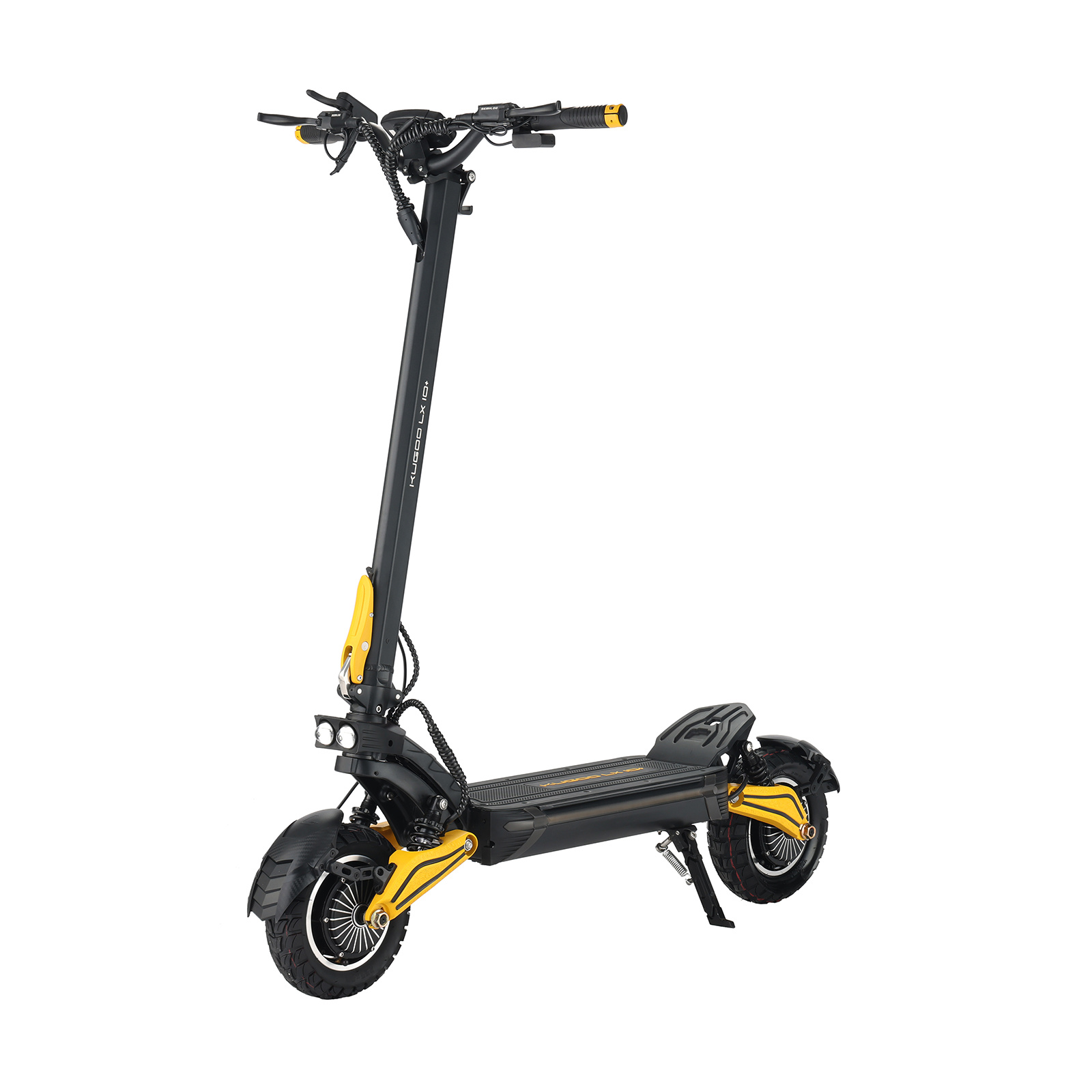
Electric scooters operate using a combination of a battery and an electric motor. The battery powers the motor, which drives the wheels. Many modern e-scooters come equipped with features such as regenerative braking, lightweight frames, and foldable designs, enhancing their usability and portability.
Types of Electric Scooters
There are several types of electric scooters catering to different user needs:
- **Kick Scooters**: These are manually propelled and require the rider to kick off to gain momentum before the electric motor kicks in.
- **Stand-Up Scooters**: Designed for quick, casual trips, these scooters allow riders to stand while riding.
- **Sit-Down Scooters**: These provide a more comfortable riding experience, resembling small motorcycles or mopeds.
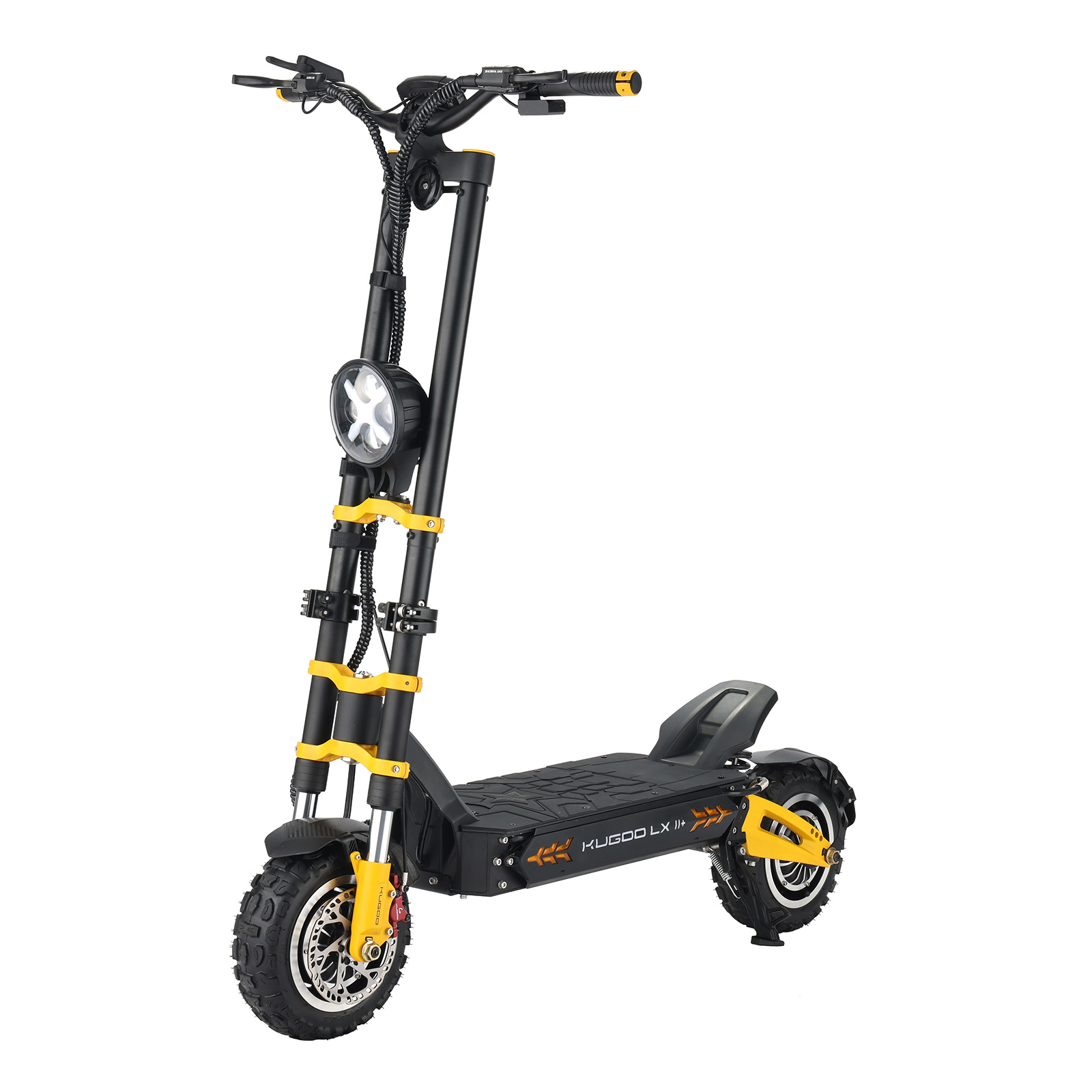
- **Heavy-Duty Scooters**: Built for longer distances and heavier loads, these scooters often come with larger batteries and robust frames.
The Benefits of Electric Scooters
1. Sustainable Transportation Alternative
Electric scooters produce zero emissions, making them an eco-friendly option compared to traditional vehicles. By reducing reliance on fossil fuels, e-scooters contribute to cleaner air and a healthier environment.
2. Alleviating Urban Congestion
With urban populations increasing, traffic congestion has become a serious issue. Electric scooters offer a solution by providing a nimble mode of transportation that can navigate crowded streets and bypass traffic jams.
3. Cost-Effective Commuting
Using electric scooters can significantly reduce commuting costs. With lower operational costs than cars, riders can save money on fuel, parking, and maintenance. Many scooter-sharing services offer affordable pricing and subscription plans, making them accessible to a wide range of users.
4. Convenience and Accessibility
Electric scooters are incredibly convenient. They can be rented through mobile apps and are often located near popular destinations. Riders can easily pick up and drop off scooters at designated locations, minimizing the hassle typically associated with public transportation.
5. Health Benefits
While riding an electric scooter may not provide the same level of exercise as cycling or walking, it still encourages physical activity. Riders engage their core muscles for balance and coordination, contributing to overall fitness.
Challenges Facing the Electric Scooter Revolution
1. Safety Concerns
As the popularity of electric scooters grows, so do concerns about rider safety. Many cities are experiencing an increase in accidents involving e-scooters, prompting discussions about regulations and safety measures.
2. Regulation and Infrastructure
Cities worldwide are still in the process of developing regulations specific to electric scooters. Many local governments are exploring policies regarding where e-scooters can be parked, speed limits, and age restrictions for riders. Proper infrastructure, such as designated lanes and safe parking areas, is critical for the successful integration of e-scooters into urban environments.
3. Environmental Impact of Manufacturing
While electric scooters offer a greener alternative to traditional transportation, the environmental impact of their production and disposal cannot be overlooked. The manufacturing process, particularly battery production, has a carbon footprint that must be addressed as the industry grows.
4. Maintenance and Longevity
Like all vehicles, electric scooters require regular maintenance to ensure safety and performance. The longevity of e-scooters can be affected by factors such as battery life, wear and tear, and environmental conditions.
5. User Responsibility and Etiquette
As more people adopt electric scooters, the need for responsible usage increases. Educating riders on road rules, scooter etiquette, and proper parking is essential for fostering a safe and enjoyable riding environment.
The Global Impact of Electric Scooters
1. Adoption in Urban Areas
Cities like San Francisco, Paris, and Berlin have embraced electric scooters as a means to combat pollution and traffic congestion. The adoption of scooter-sharing programs has transformed urban transport systems, allowing residents and tourists to explore cities more freely.
2. Electric Scooters in Developing Countries
In developing nations, electric scooters present an affordable mode of transport for those who may not have access to conventional vehicles. They can significantly improve mobility and access to economic opportunities, contributing to local growth.
3. E-Scooters and Public Transportation
Electric scooters serve as an extension of public transportation, providing a seamless solution for the "last mile" dilemma. By connecting transit hubs with final destinations, e-scooters enhance the overall efficiency of urban transport networks.
Future Trends in Electric Scooters
1. Technological Advancements
The future of electric scooters is linked to technological advancements. Innovations such as improved battery technology, enhanced safety features, and smart connectivity are set to redefine the riding experience.
2. Integration with Smart Cities
As cities evolve into smart environments, electric scooters will play a pivotal role. Integration with apps for navigation, payment systems, and real-time data on vehicle availability will enhance user experience.
3. Sustainability Initiatives
Manufacturers are increasingly focused on sustainability, exploring eco-friendly materials and production methods. The recycling of scooter components, particularly batteries, will be critical in mitigating environmental impacts.
Conclusion: The Future of Electric Scooters is Bright
The rise of electric scooters is more than just a trend; it signifies a shift in urban mobility towards sustainability and efficiency. As we navigate the challenges that come with their adoption, it is crucial to balance innovation with safety and environmental responsibility. The future of electric scooters is promising, offering a glimpse into a cleaner, more connected world where urban commuting is not only more accessible but also more enjoyable.
FAQs about Electric Scooters
1. Are electric scooters safe to ride?
Safety can vary based on local regulations and rider behavior. Wearing helmets, following traffic rules, and being aware of surroundings can enhance safety.
2. How much do electric scooters cost?
The cost of electric scooters varies by model and manufacturer, ranging from a few hundred to several thousand dollars. Scooter-sharing services typically charge per minute or offer subscription plans.
3. What is the lifespan of an electric scooter?
The lifespan of an electric scooter can range from 1 to 5 years, depending on factors like usage, maintenance, and battery care.
4. Can electric scooters be used in all weather conditions?
While electric scooters can operate in various weather conditions, it’s advisable to avoid riding in heavy rain, snow, or icy conditions for safety reasons.
5. How do I charge an electric scooter?
Electric scooters come with a charging port. Most can be charged using a standard electrical outlet, and it typically takes a few hours to fully charge.
Related News
2026-04-24

Room B2404, Block ABCD, Building 3, Phase I, Tianan Yungu Industrial Park, Gangtou Community, Bantian Street, Longgang District, Shenzhen