
Understanding Electric Scooters: A Comprehensive Guide to Choosing the Right One
Summary:
Electric scooters have gained immense popularity as a convenient and eco-friendly mode of transportation. These vehicles are not only suitable for short commutes but also offer a fun and efficient way to navigate urban environments. In this guide, we will delve into the key aspects of electric scooters, including their components, features, and considerations for prospective buyers. One of the def
Electric scooters have gained immense popularity as a convenient and eco-friendly mode of transportation. These vehicles are not only suitable for short commutes but also offer a fun and efficient way to navigate urban environments. In this guide, we will delve into the key aspects of electric scooters, including their components, features, and considerations for prospective buyers.
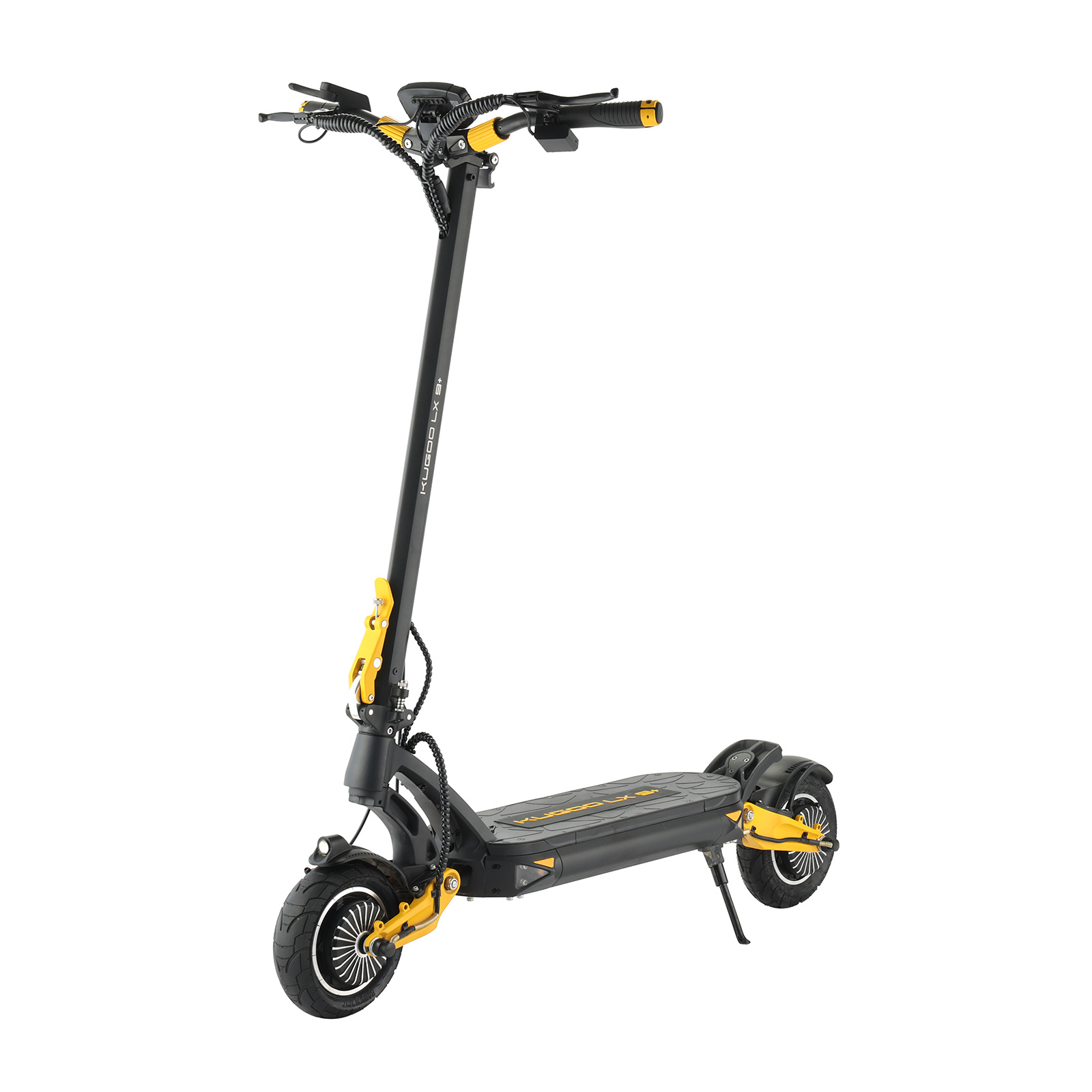
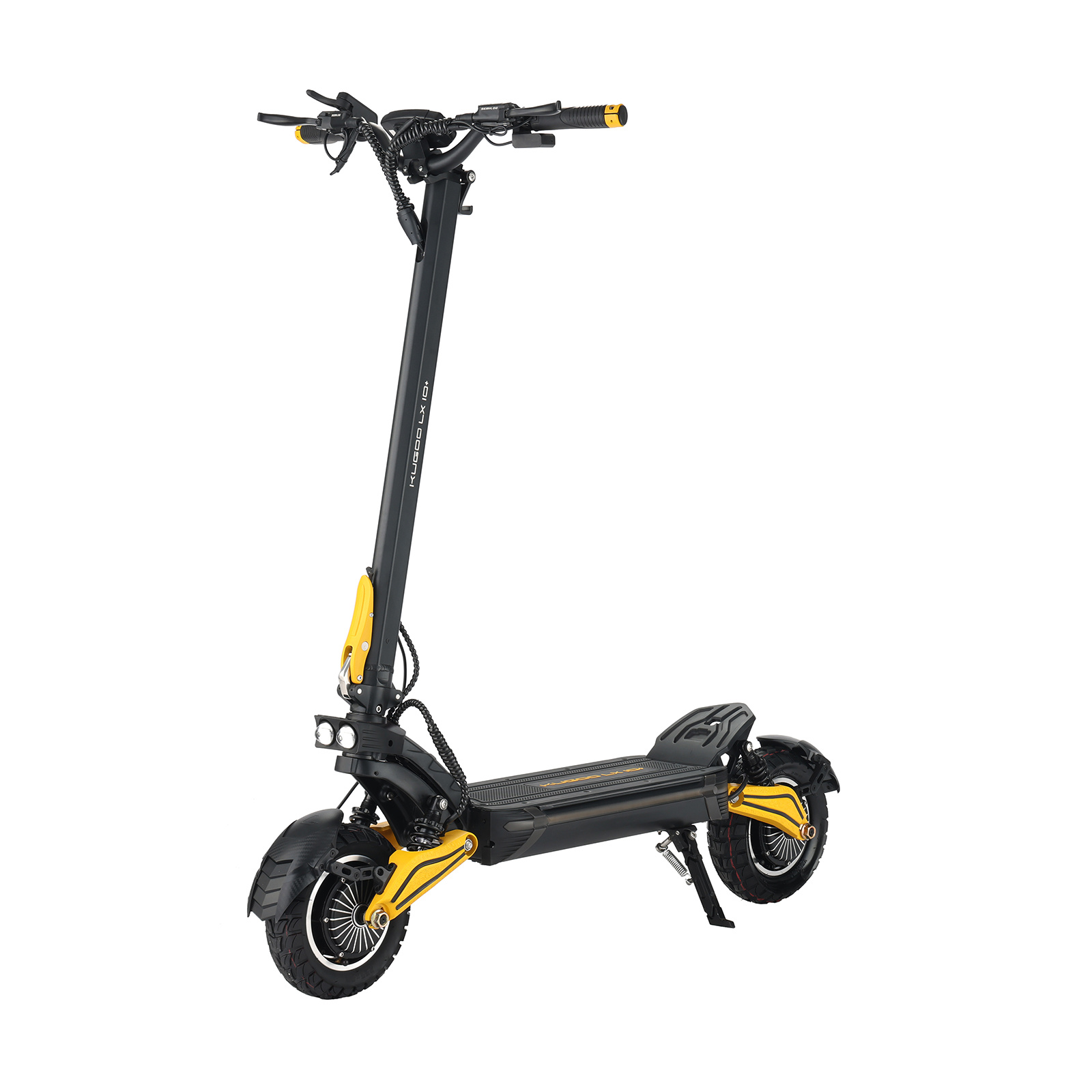
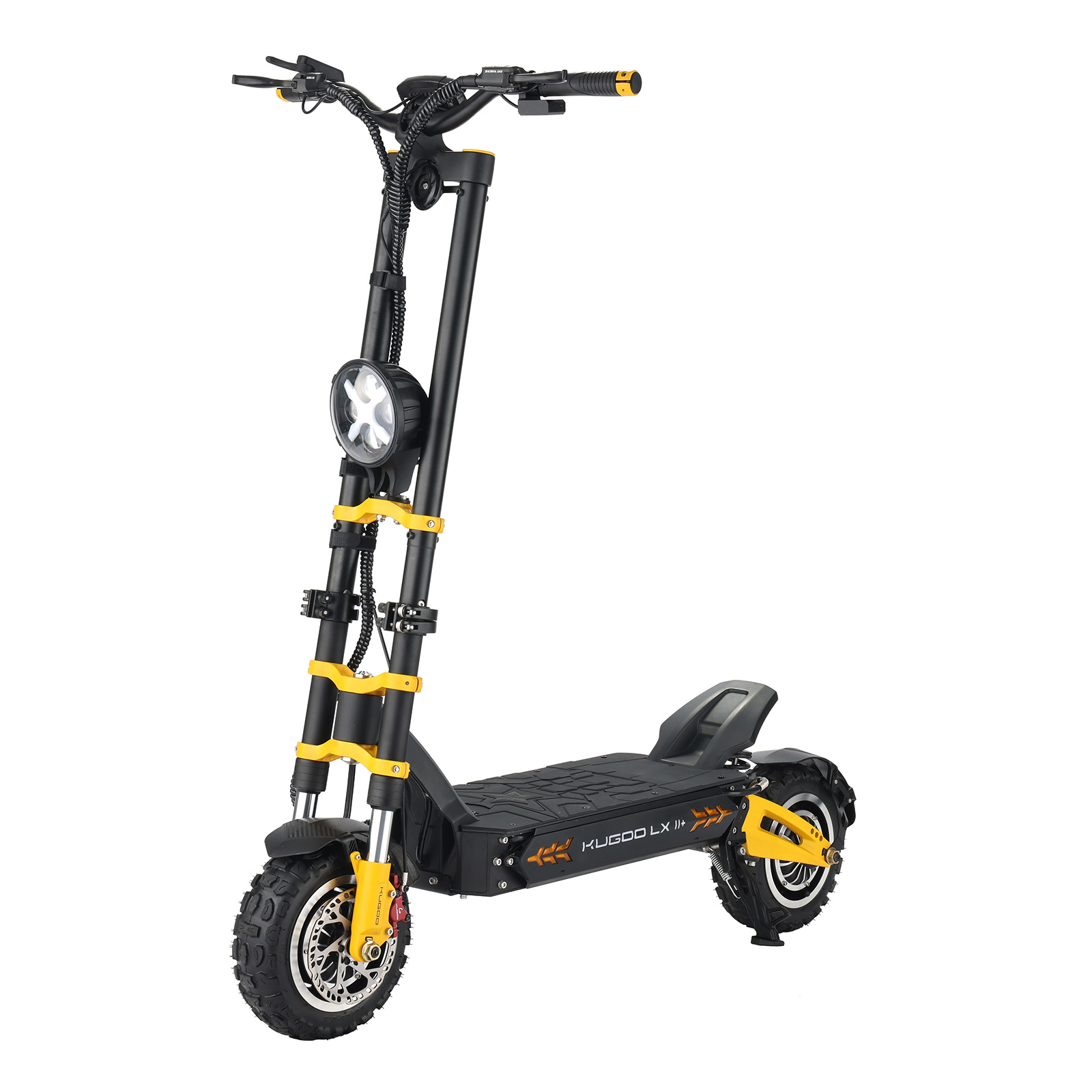
One of the defining features of electric scooters is their electric motor, which powers the vehicle without relying on fossil fuels. The motor's power output typically ranges from 250W to 3000W, significantly influencing the scooter's speed, acceleration, and overall performance. Understanding motor power and efficiency is crucial for selecting a scooter that meets your commuting needs.
Another critical component is the battery, which determines the scooter's range and charging time. Most electric scooters utilize lithium-ion batteries due to their high energy density and longevity. The typical range for electric scooters varies widely, from about 15 miles to over 60 miles on a single charge. When choosing a model, consider your daily commute distance and how often you'll be able to charge the battery.
Braking systems are also essential for safety and control. Electric scooters generally feature either disc brakes or regenerative braking systems. Disc brakes provide reliable stopping power, while regenerative braking helps recharge the battery when slowing down. Evaluating the braking system is vital for ensuring safe rides, especially in urban settings with varying traffic conditions.
Weight capacity is another factor to consider. Most electric scooters can accommodate riders up to 220-300 pounds, but it's essential to check the specifications to ensure the scooter can support your weight comfortably. Additionally, the scooter's overall weight affects its portability. If you plan to carry the scooter frequently, look for lightweight models with a folding mechanism for easy transport.
Furthermore, consider the scooter's build quality and suspension system. A sturdy frame and good suspension can enhance ride comfort, especially when navigating uneven surfaces. Look for models with solid tires or pneumatic tires, as they provide better shock absorption and traction.
In conclusion, electric scooters present an exciting and practical transportation solution. By understanding the various components, features, and considerations highlighted in this guide, you can make an informed choice that aligns with your lifestyle and commuting requirements. Whether you're looking for ease of transportation or a sustainable commuting option, electric scooters can be a great addition to your daily routine.
One of the defining features of electric scooters is their electric motor, which powers the vehicle without relying on fossil fuels. The motor's power output typically ranges from 250W to 3000W, significantly influencing the scooter's speed, acceleration, and overall performance. Understanding motor power and efficiency is crucial for selecting a scooter that meets your commuting needs.
Another critical component is the battery, which determines the scooter's range and charging time. Most electric scooters utilize lithium-ion batteries due to their high energy density and longevity. The typical range for electric scooters varies widely, from about 15 miles to over 60 miles on a single charge. When choosing a model, consider your daily commute distance and how often you'll be able to charge the battery.
Braking systems are also essential for safety and control. Electric scooters generally feature either disc brakes or regenerative braking systems. Disc brakes provide reliable stopping power, while regenerative braking helps recharge the battery when slowing down. Evaluating the braking system is vital for ensuring safe rides, especially in urban settings with varying traffic conditions.
Weight capacity is another factor to consider. Most electric scooters can accommodate riders up to 220-300 pounds, but it's essential to check the specifications to ensure the scooter can support your weight comfortably. Additionally, the scooter's overall weight affects its portability. If you plan to carry the scooter frequently, look for lightweight models with a folding mechanism for easy transport.
Furthermore, consider the scooter's build quality and suspension system. A sturdy frame and good suspension can enhance ride comfort, especially when navigating uneven surfaces. Look for models with solid tires or pneumatic tires, as they provide better shock absorption and traction.
In conclusion, electric scooters present an exciting and practical transportation solution. By understanding the various components, features, and considerations highlighted in this guide, you can make an informed choice that aligns with your lifestyle and commuting requirements. Whether you're looking for ease of transportation or a sustainable commuting option, electric scooters can be a great addition to your daily routine.
Related News

Room B2404, Block ABCD, Building 3, Phase I, Tianan Yungu Industrial Park, Gangtou Community, Bantian Street, Longgang District, Shenzhen