
The Future of Transportation: Understanding Electric Motorcycles
Summary:
Electric motorcycles represent a significant shift in the automotive industry, merging cutting-edge technology with eco-conscious travel. As urban areas become more congested and the demand for sustainable transportation grows, electric motorcycles are emerging as a compelling solution. These vehicles offer numerous benefits for both riders and the environment, making them an increasingly popular
Electric motorcycles represent a significant shift in the automotive industry, merging cutting-edge technology with eco-conscious travel. As urban areas become more congested and the demand for sustainable transportation grows, electric motorcycles are emerging as a compelling solution. These vehicles offer numerous benefits for both riders and the environment, making them an increasingly popular choice among commuters and enthusiasts alike.
One of the most significant advantages of electric motorcycles is their environmental impact. Powered by electric batteries rather than fossil fuels, these bikes produce zero tailpipe emissions, drastically reducing air pollution compared to traditional gas-powered motorcycles. This is particularly important in urban settings where air quality is often compromised. Furthermore, as electricity generation becomes greener—with more renewable energy sources being utilized—the carbon footprint of electric motorcycles will continue to shrink.
In addition to their environmental benefits, electric motorcycles offer unique performance characteristics. They typically feature instant torque, which allows for quick acceleration, making them fun to ride. The design of electric motorcycles often incorporates lightweight materials, enhancing agility and handling. Moreover, many electric models come equipped with advanced technology, such as regenerative braking systems that help recharge the battery when slowing down.
Cost savings are another attractive aspect of electric motorcycles. While the initial purchase price may be higher than that of a traditional motorcycle, the overall operating costs are usually lower. Electric vehicles generally require less maintenance due to fewer moving parts, and the cost of charging is often significantly less than fuel expenses, especially in regions where electricity rates are favorable. Over time, riders can benefit from significant savings on maintenance and fuel.
The charging infrastructure for electric motorcycles is also expanding rapidly. Many cities are installing charging stations in convenient locations, making it easier for riders to recharge their bikes. Additionally, some electric motorcycles come with swappable batteries, allowing riders to quickly exchange a depleted battery for a fully charged one, further enhancing convenience.
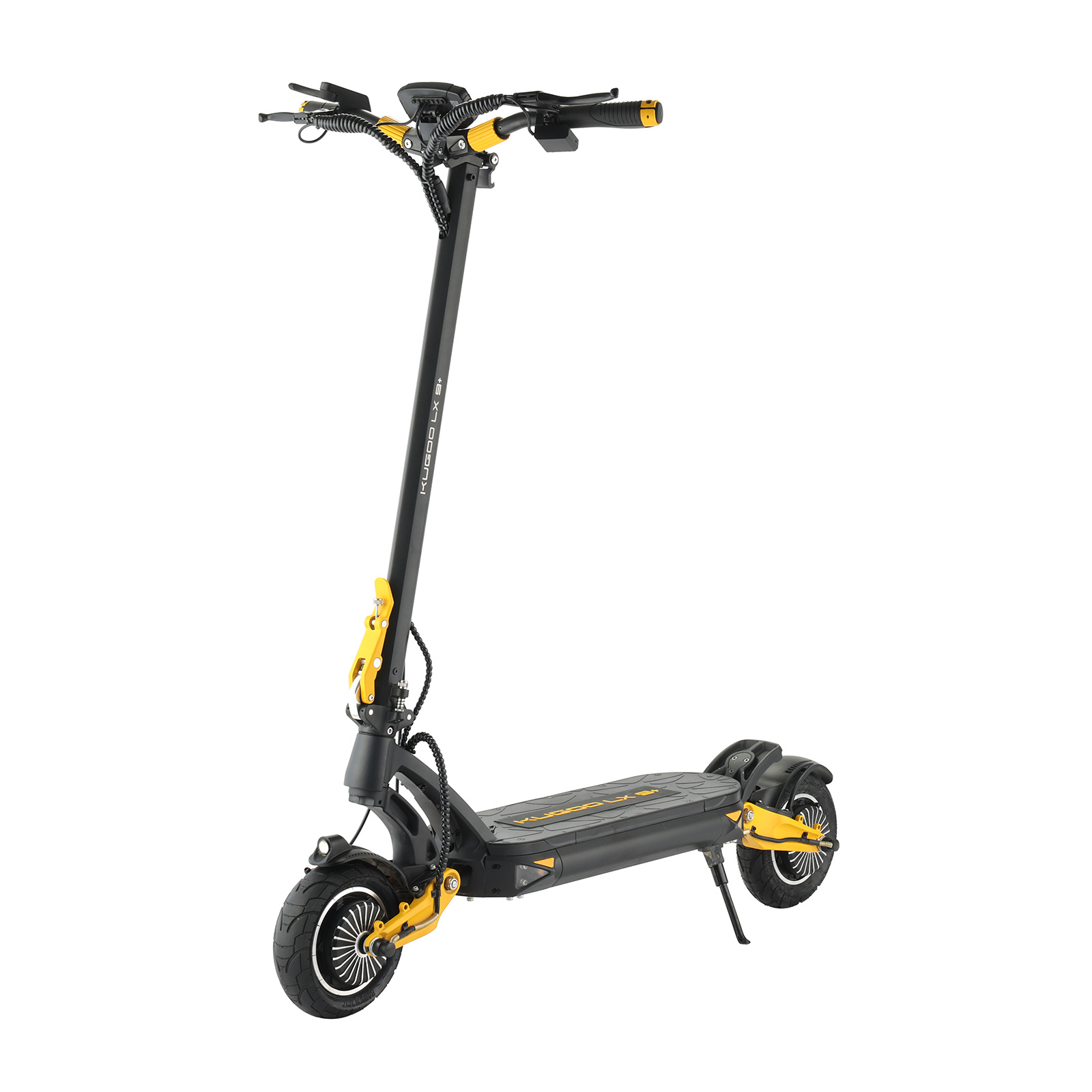
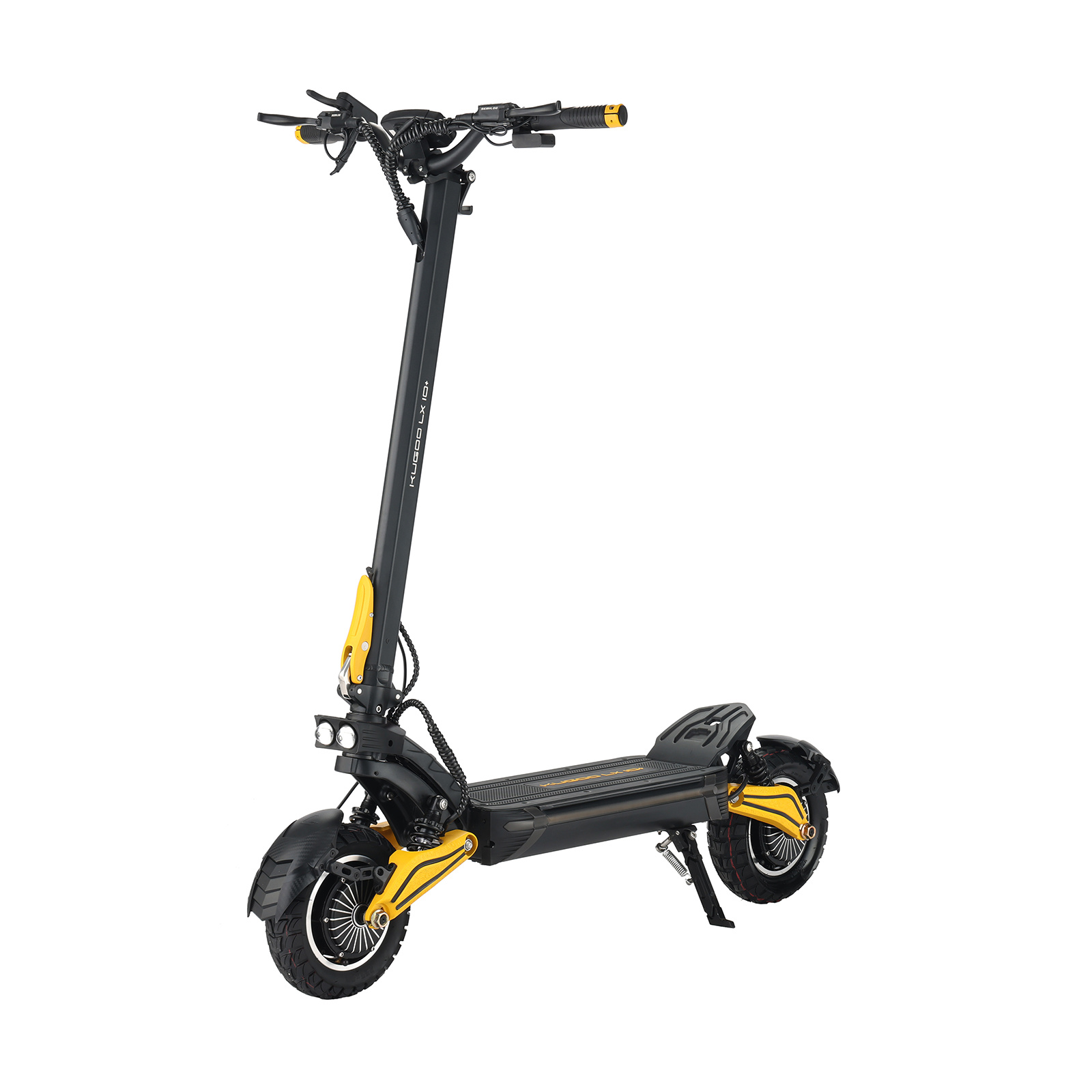
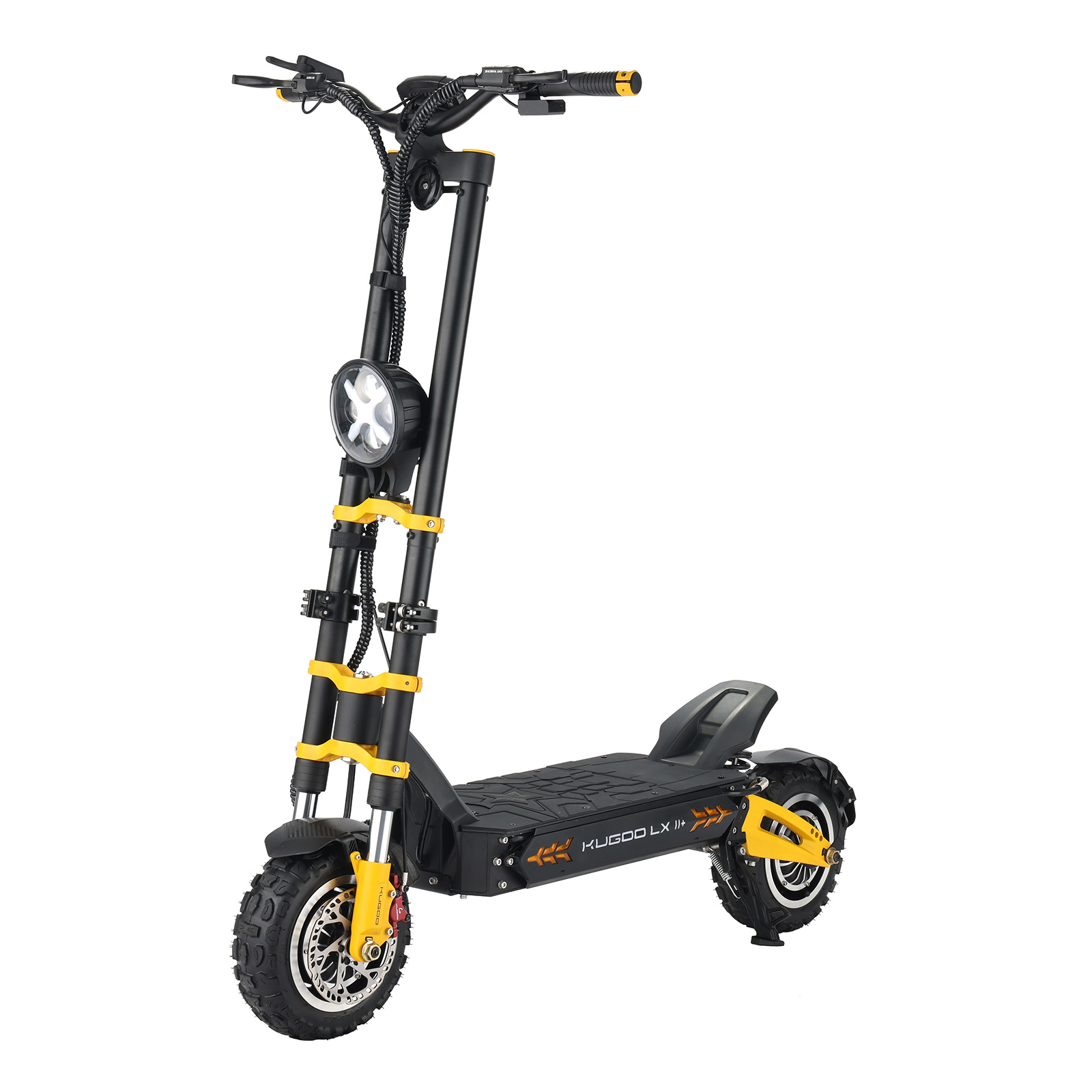
As the market for electric motorcycles continues to grow, manufacturers are developing a wider range of models to cater to different preferences and riding styles. From sleek urban scooters designed for commuting to more robust models suited for longer rides and adventures, there is likely an electric motorcycle for every type of rider.
In conclusion, electric motorcycles are reshaping the landscape of personal transportation. With their environmental benefits, performance advantages, cost savings, and expanding infrastructure, they represent a promising alternative to conventional motorcycles. As technology advances and consumer interest continues to rise, electric motorcycles could play a crucial role in the future of sustainable mobility, making them an exciting option for riders seeking a greener way to travel.
One of the most significant advantages of electric motorcycles is their environmental impact. Powered by electric batteries rather than fossil fuels, these bikes produce zero tailpipe emissions, drastically reducing air pollution compared to traditional gas-powered motorcycles. This is particularly important in urban settings where air quality is often compromised. Furthermore, as electricity generation becomes greener—with more renewable energy sources being utilized—the carbon footprint of electric motorcycles will continue to shrink.
In addition to their environmental benefits, electric motorcycles offer unique performance characteristics. They typically feature instant torque, which allows for quick acceleration, making them fun to ride. The design of electric motorcycles often incorporates lightweight materials, enhancing agility and handling. Moreover, many electric models come equipped with advanced technology, such as regenerative braking systems that help recharge the battery when slowing down.
Cost savings are another attractive aspect of electric motorcycles. While the initial purchase price may be higher than that of a traditional motorcycle, the overall operating costs are usually lower. Electric vehicles generally require less maintenance due to fewer moving parts, and the cost of charging is often significantly less than fuel expenses, especially in regions where electricity rates are favorable. Over time, riders can benefit from significant savings on maintenance and fuel.
The charging infrastructure for electric motorcycles is also expanding rapidly. Many cities are installing charging stations in convenient locations, making it easier for riders to recharge their bikes. Additionally, some electric motorcycles come with swappable batteries, allowing riders to quickly exchange a depleted battery for a fully charged one, further enhancing convenience.
As the market for electric motorcycles continues to grow, manufacturers are developing a wider range of models to cater to different preferences and riding styles. From sleek urban scooters designed for commuting to more robust models suited for longer rides and adventures, there is likely an electric motorcycle for every type of rider.
In conclusion, electric motorcycles are reshaping the landscape of personal transportation. With their environmental benefits, performance advantages, cost savings, and expanding infrastructure, they represent a promising alternative to conventional motorcycles. As technology advances and consumer interest continues to rise, electric motorcycles could play a crucial role in the future of sustainable mobility, making them an exciting option for riders seeking a greener way to travel.
Related News

Room B2404, Block ABCD, Building 3, Phase I, Tianan Yungu Industrial Park, Gangtou Community, Bantian Street, Longgang District, Shenzhen