
Unleashing the Future: The Rise of Electric Scooters
Summary:
As urban centers grow increasingly congested and environmental concerns take center stage, electric scooters are emerging as a popular alternative for commuting. These lightweight, electric-powered vehicles offer a convenient and eco-friendly solution for navigating city streets. Electric scooters operate on rechargeable batteries, which provide a clean energy source. Unlike traditional gas-power
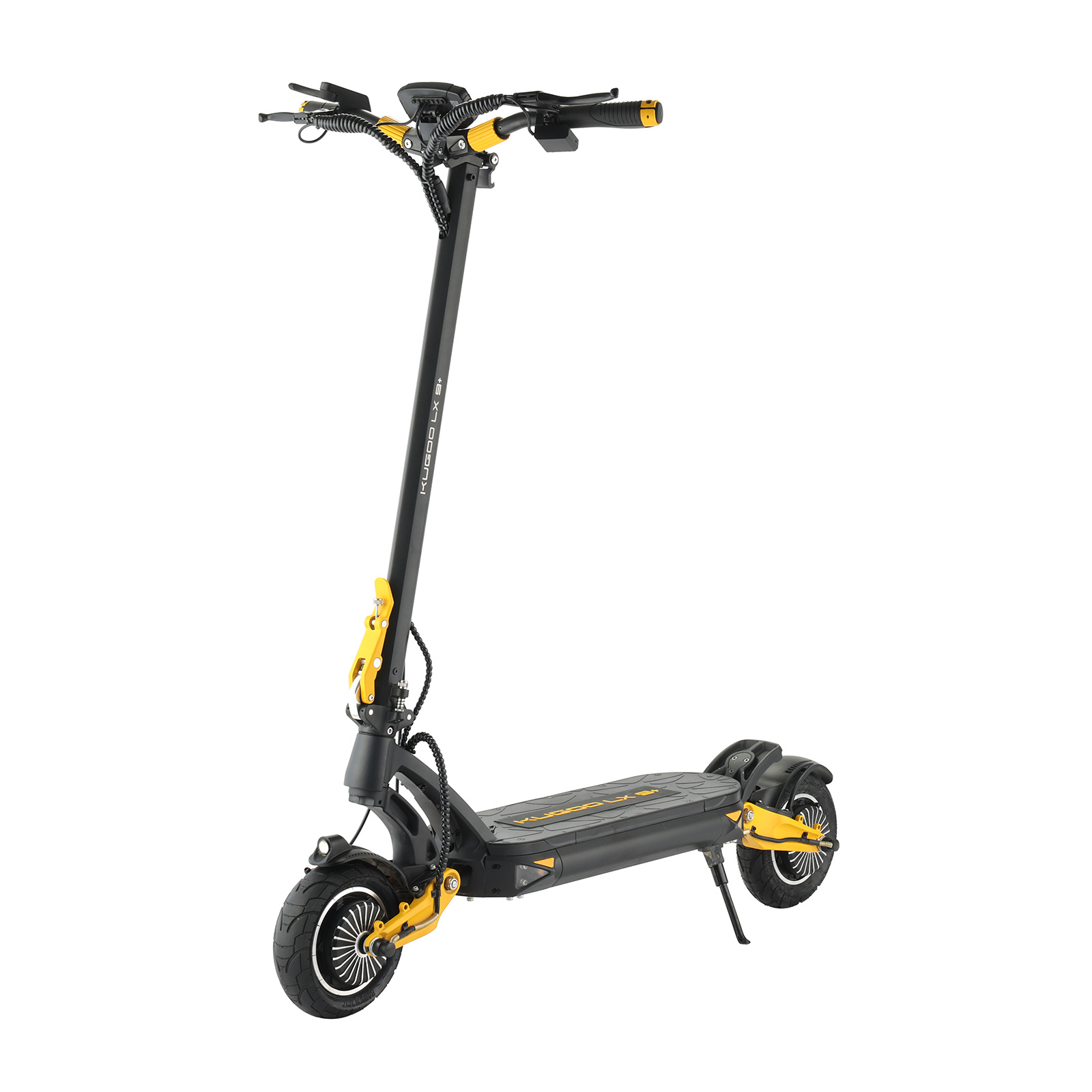
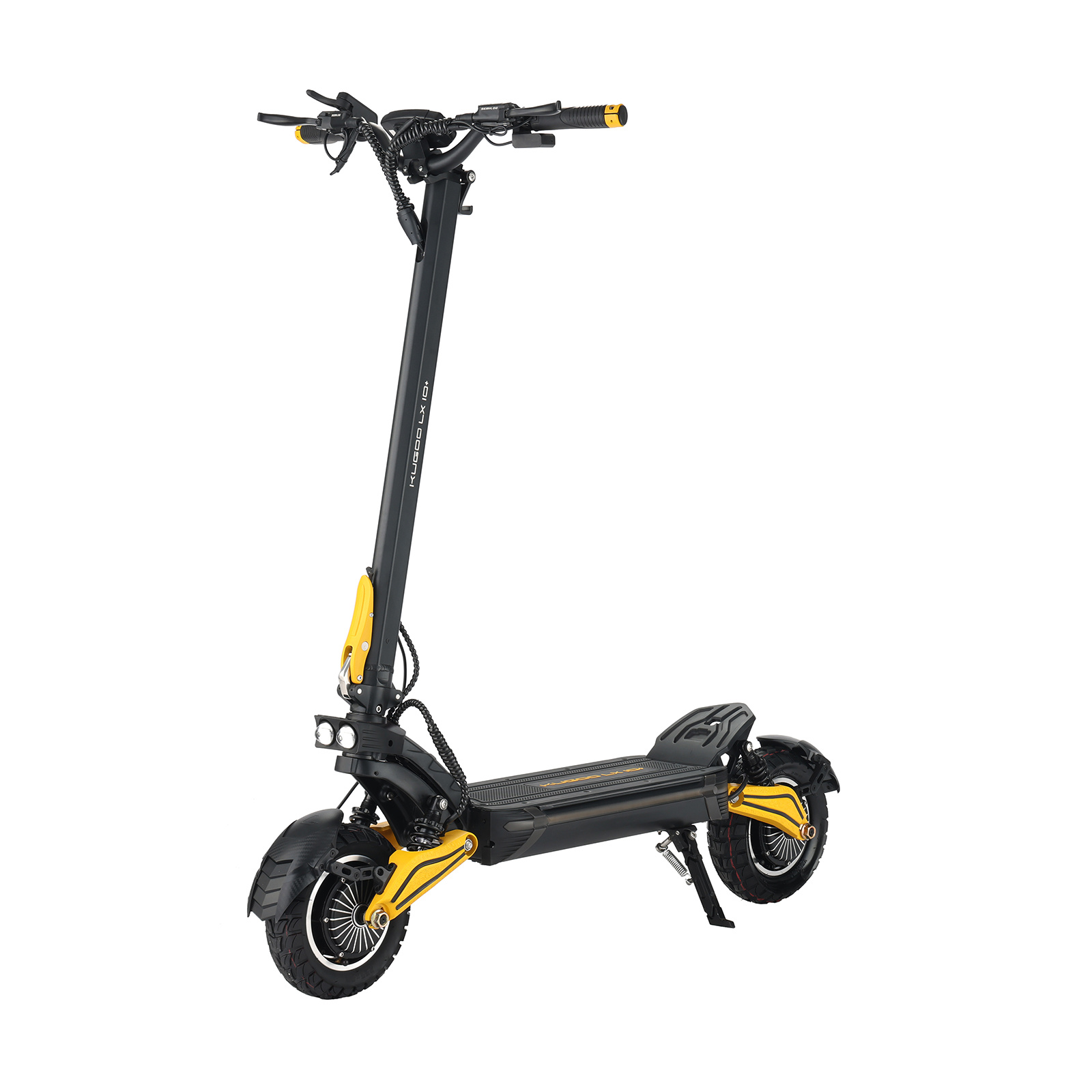
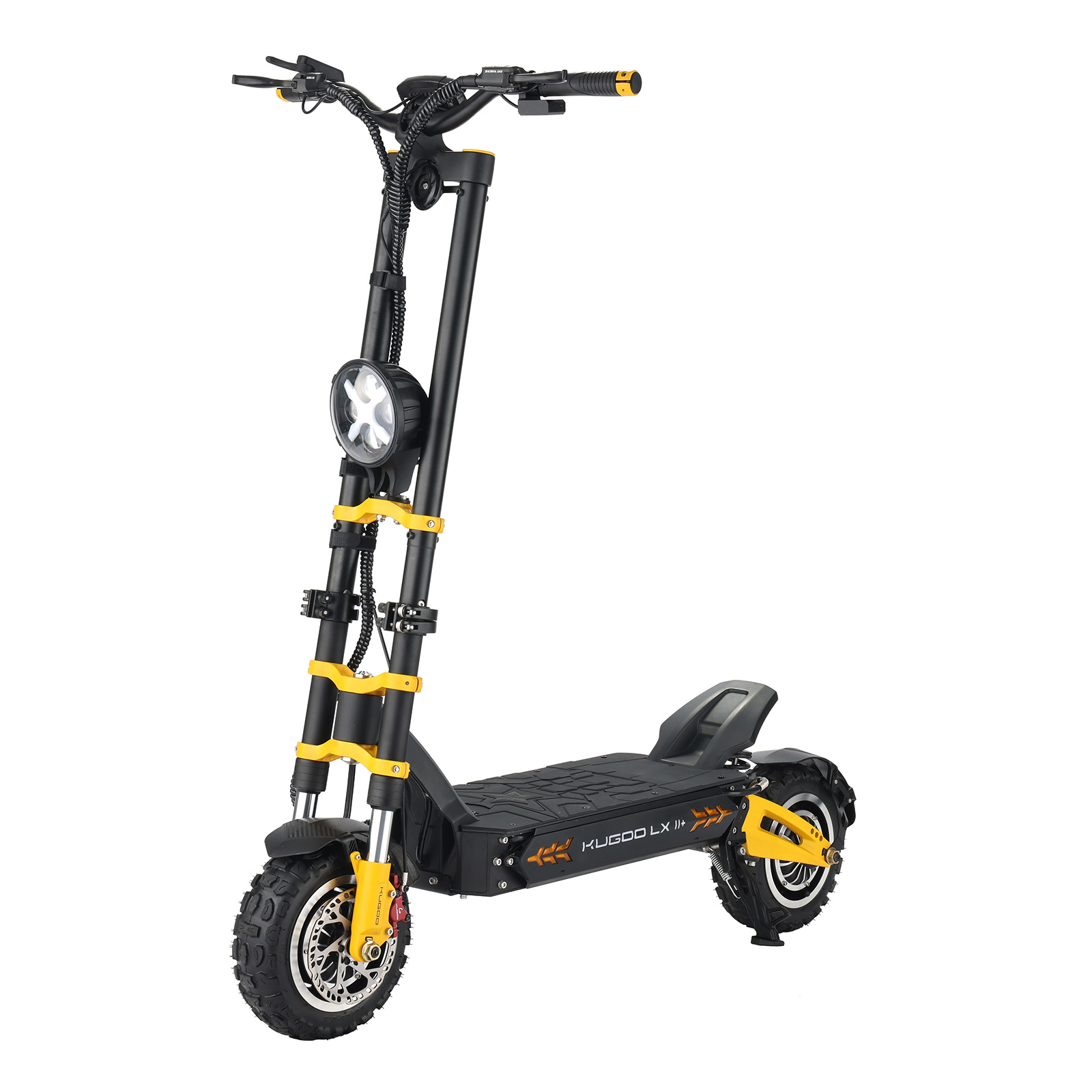
As urban centers grow increasingly congested and environmental concerns take center stage, electric scooters are emerging as a popular alternative for commuting. These lightweight, electric-powered vehicles offer a convenient and eco-friendly solution for navigating city streets.
Electric scooters operate on rechargeable batteries, which provide a clean energy source. Unlike traditional gas-powered scooters, they emit no harmful pollutants during operation. This aspect makes electric scooters an environmentally friendly choice for individuals looking to reduce their carbon footprint while enjoying the freedom of personal transportation.
One of the most significant advantages of electric scooters is their efficiency. They consume less energy compared to cars and public transportation, making them an economical option for daily travel. Most electric scooters can travel between 15 to 30 miles on a single charge, depending on the model and battery capacity. This range is often sufficient for most urban commutes, reducing the need for frequent recharging.
Electric scooters also promote physical activity and healthier lifestyles. While they are primarily motorized, riders still engage in some physical activity, particularly when navigating inclines or using the manual kick-start feature found in many models. Commuters can enjoy the fresh air and outdoor experience, contributing to overall well-being.
Safety is a critical consideration when using electric scooters. Riders are encouraged to wear helmets and follow local traffic regulations to ensure a secure riding experience. Many electric scooters are equipped with features like LED lights, reflectors, and disc brakes, enhancing visibility and performance during night rides. Furthermore, the lightweight design allows users to maneuver through tight spaces and avoid traffic jams, offering a more direct route to their destination.
In addition to personal use, electric scooters are becoming increasingly popular in shared mobility programs. Cities around the world are implementing electric scooter-sharing schemes that make them accessible to a more extensive user base. This trend not only provides a sustainable alternative for short-distance travel but also encourages people to explore their surroundings in an eco-friendly manner.
Moreover, the technological advancements in electric scooters have led to enhanced features such as smartphone connectivity, GPS tracking, anti-theft systems, and customizable riding modes. Riders can now monitor their speed, battery life, and even locate their scooters through mobile applications, making the experience even more user-friendly.
In conclusion, electric scooters represent a significant shift in personal transportation, combining convenience, efficiency, and eco-friendliness. As more people turn to these innovative vehicles for commuting, they not only contribute to a sustainable future but also enjoy the benefits of a more active and engaged lifestyle. Whether for daily commuting, leisure, or exploring urban environments, electric scooters offer a compelling alternative for modern travelers.
Electric scooters operate on rechargeable batteries, which provide a clean energy source. Unlike traditional gas-powered scooters, they emit no harmful pollutants during operation. This aspect makes electric scooters an environmentally friendly choice for individuals looking to reduce their carbon footprint while enjoying the freedom of personal transportation.
One of the most significant advantages of electric scooters is their efficiency. They consume less energy compared to cars and public transportation, making them an economical option for daily travel. Most electric scooters can travel between 15 to 30 miles on a single charge, depending on the model and battery capacity. This range is often sufficient for most urban commutes, reducing the need for frequent recharging.
Electric scooters also promote physical activity and healthier lifestyles. While they are primarily motorized, riders still engage in some physical activity, particularly when navigating inclines or using the manual kick-start feature found in many models. Commuters can enjoy the fresh air and outdoor experience, contributing to overall well-being.
Safety is a critical consideration when using electric scooters. Riders are encouraged to wear helmets and follow local traffic regulations to ensure a secure riding experience. Many electric scooters are equipped with features like LED lights, reflectors, and disc brakes, enhancing visibility and performance during night rides. Furthermore, the lightweight design allows users to maneuver through tight spaces and avoid traffic jams, offering a more direct route to their destination.
In addition to personal use, electric scooters are becoming increasingly popular in shared mobility programs. Cities around the world are implementing electric scooter-sharing schemes that make them accessible to a more extensive user base. This trend not only provides a sustainable alternative for short-distance travel but also encourages people to explore their surroundings in an eco-friendly manner.
Moreover, the technological advancements in electric scooters have led to enhanced features such as smartphone connectivity, GPS tracking, anti-theft systems, and customizable riding modes. Riders can now monitor their speed, battery life, and even locate their scooters through mobile applications, making the experience even more user-friendly.
In conclusion, electric scooters represent a significant shift in personal transportation, combining convenience, efficiency, and eco-friendliness. As more people turn to these innovative vehicles for commuting, they not only contribute to a sustainable future but also enjoy the benefits of a more active and engaged lifestyle. Whether for daily commuting, leisure, or exploring urban environments, electric scooters offer a compelling alternative for modern travelers.
Related News
2026-01-05

Room B2404, Block ABCD, Building 3, Phase I, Tianan Yungu Industrial Park, Gangtou Community, Bantian Street, Longgang District, Shenzhen